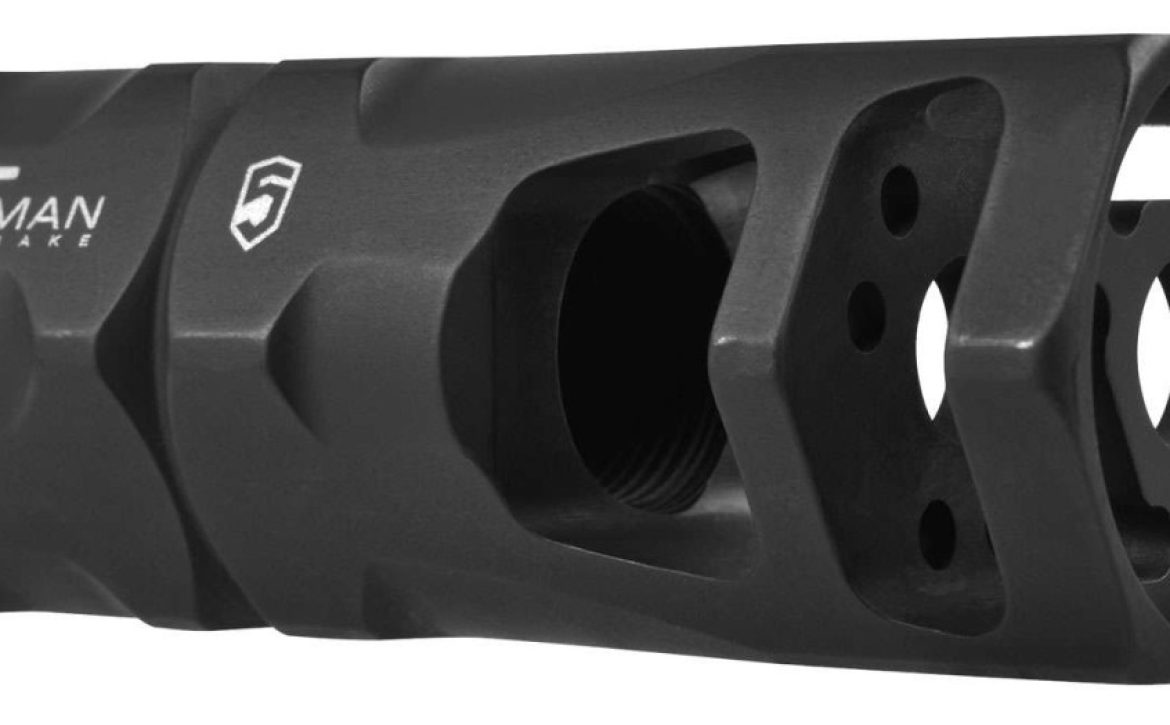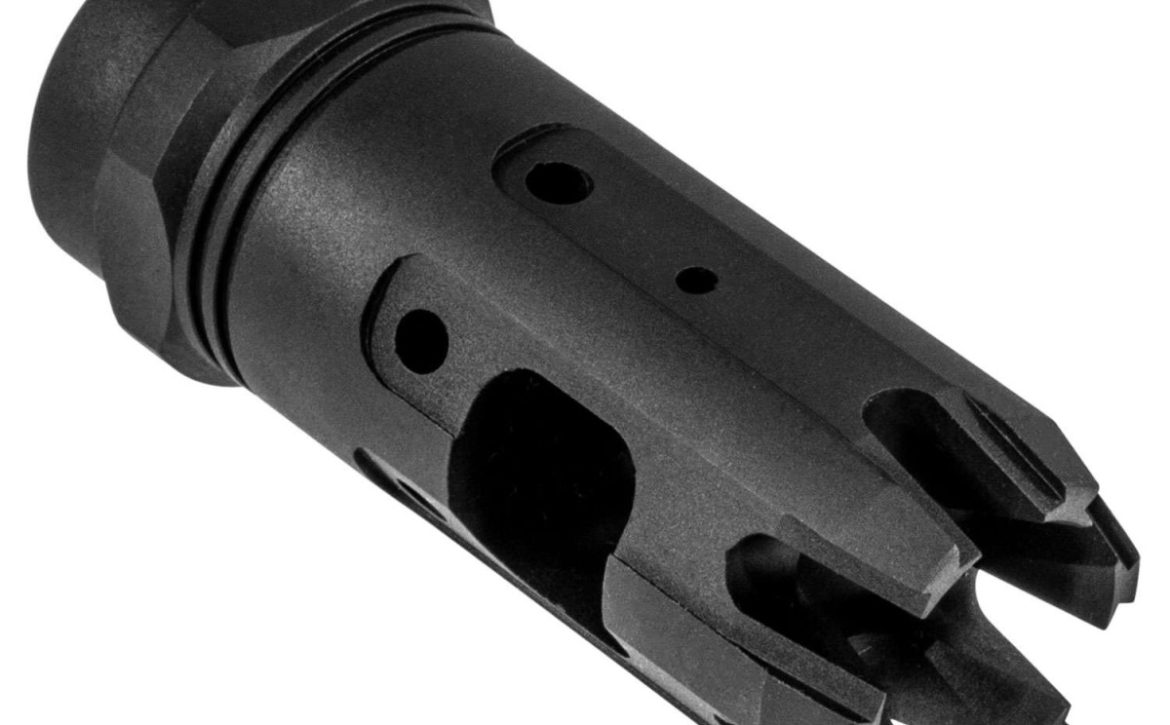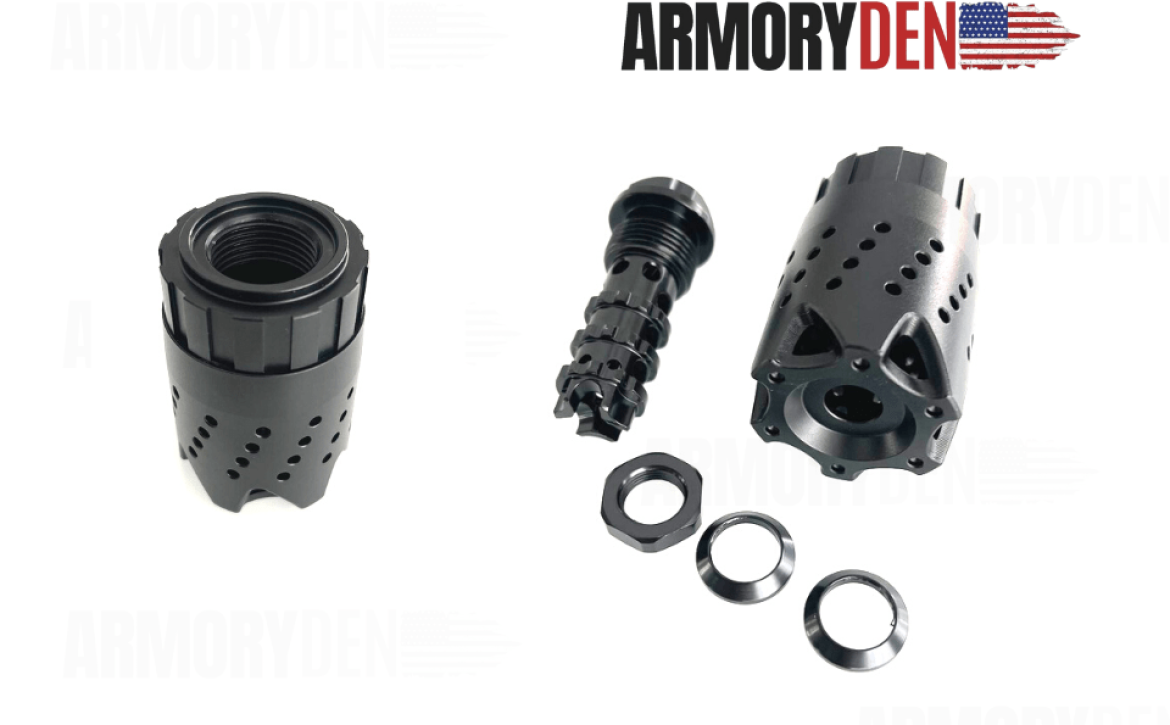


Who Should Wear Level IIIA Soft Body Armor?

Soft body armor, Level IIIA, offers good protection without sacrificing comfort. High-velocity handgun rounds? This armor’s got you covered. This type of armor gives vital protection to those who need it the most!

Law enforcement officers, security personnel, paramedics, journalists in conflict zones, and private citizens focused on self-defense all benefit from the protection it offers. Understanding Level IIIA armor’s capabilities and its ideal use cases ensures individuals make informed decisions about personal safety.

Identify Level IIIA Armor Protection

Level IIIA armor protection guards against high-velocity firearms like 9mm sub-machine guns and .44 Magnum handguns. Crafted with Kevlar, this soft body armor merges safety with comfort, allowing for agility in response scenarios. Its capacity to be combined with hard plates enhances safeguarding capabilities without compromising mobility—essential for those requiring protection yet need to act fast.

Essential consideration lies in selecting a compatible carrier that accommodates level 3a soft body armor panels securely, whether worn overtly or covertly.

Law Enforcement Personnel Essentials
  1. Daily Wear Balance: Level IIIA body armor is designed for daily use, providing both safety and comfort. The lightweight construction allows for easy movement, while breathable materials prevent overheating during extended wear. This makes such vests suitable not only for law enforcement officers (LEOs) but also for civilians seeking added protection in their everyday lives.
  2. Investment in Safety: Investing in Level IIIA soft body armor ensures protection against common handgun threats. Concealable designs allow officers to perform their duties without drawing unnecessary attention or feeling encumbered by bulky gear. Modular features offer adaptability—which is crucial when facing unpredictable situations requiring quick adjustments.
  3. Proper Maintenance Protocols: The effectiveness of Level IIIA body armor hinges on strict adherence to care instructions. Regular inspections will identify any damage that may compromise the vest’s integrity. Additionally, storing armor away from extreme temperatures and moisture ensures optimal performance whenever protection is needed.
Security Guards Gear Up Recommendations

Level IIIA soft body armor, designed to shield against high-caliber handgun rounds like the .357 SIG and .44 Magnum, becomes crucial for security professionals facing severe threats. When choosing this gear, consider factors like likely weapon encounters, long-term wearability, concealed protection, and budget constraints.

Ensuring the lasting effectiveness of Level IIIA vests requires proper maintenance. Store them in cool, dry places away from sunlight, clean them with mild soap, and consider replacing them every 5-7 years or if damaged. While effective against most handguns, these vests do not stop rifle ammunition alone. Pairing soft armor with hard plate carriers is essential for those exposed to higher threats.

Covert Operations Bulletproof Vest Guide
  1. Material Advantages: Soft body armor, constructed from materials like Kevlar and Dyneema, provides effective protection against handgun threats such as 9mm and .44 Magnum rounds. Its lightweight nature ensures agility, enabling swift movements essential in high-risk fields where responsiveness is critical.
  2. Fit for Purpose: Level IIIA soft body armor offers practical use across various scenarios—from covert operations to daily patrol duties. For those prioritizing subtlety, discreet wearability under regular attire is a major advantage. Furthermore, its design prevents it from being cumbersome during prolonged use.
  3. Consider Your Environment: Analyzing risk exposure helps determine if Level IIIA soft body armor meets specific needs. This grade efficiently counters most hand-held firearm threats but is insufficient against high-caliber rifle fire faced by military or SWAT teams requiring additional plate carriers.
Journalists in Conflict Zones Safety Measures

For journalists in conflict zones, personal safety is paramount. Level IIIA soft body armor offers essential protection against gunfire and shrapnel.

  • Visibility Versus Safety: High-visibility vests marked “PRESS” help journalists stand out as non-combatants yet may attract unwanted attention. They must balance visibility with discretion, selecting gear that aids identification without compromising safety.
  • The Weight of Protection: Wearing heavy armor for extended periods can cause fatigue, affecting a journalist’s ability to report effectively or move quickly in dangerous situations. Lightweight Level IIIA soft body armor minimizes strain while maintaining protection.
  • Adaptable Coverage Needs: In volatile environments, where threats can escalate quickly, modular protective accessories become essential. Shoulder pads, groin guards, and helmets provide additional coverage, improving survival odds amidst unpredictable dangers.
Paramedics on Duty Added Security Tips

Paramedics face increasing dangers on duty, with assaults rising notably. Level IIIA soft body armor presents a vital safeguard in high-risk situations.

  • Assault Statistics: Data shows a troubling increase in attacks on emergency responders. Ambulance staff have reported thousands of physical assaults in recent years, highlighting the urgent need for personal protective gear.
  • Legal Obligations: Employers are responsible for ensuring their teams’ safety. Risk assessments should outline hazards and recommend countermeasures like personal protective equipment (PPE). Failing to provide adequate protection can lead to legal consequences and compromised responder safety.
  • Nationwide Inconsistencies: Despite comparable risks across different regions, some paramedics receive stab-resistant vests while others do not. Expanding the use of body armor for all emergency responders is essential to ensuring their safety in hostile environments.
Private Citizens Defense Strategies

Private citizens seeking additional protection can benefit from understanding Level IIIA soft body armor. This level of armor balances stopping power and wearability, making it an ideal choice for discreet self-defense.

  • Detailed Explanation: Level IIIA soft body armor is designed with materials that absorb and disperse energy from projectiles like bullets, reducing penetration risk and minimizing impact trauma. It stops .357 SIG FMJ flat-nose rounds and .44 Magnum semi-jacketed hollow points.
  • Advantages For Everyday Use: The flexibility and lightness of Level IIIA armor make it optimal for daily wear. It provides substantial defense while remaining easy to conceal under clothing, a crucial feature for maintaining discretion in various settings.
  • Superior Protection Standards: Some manufacturers offer “Plus” levels (e.g., Level IIIA+), indicating enhanced capabilities beyond NIJ baseline standards. These options provide superior performance against more powerful handgun calibers, offering additional reassurance for individuals in high-threat environments.

Level IIIA soft body armor provides strong protection against most handgun rounds, making it ideal for law enforcement, security personnel, journalists, and civilians in high-risk situations. Its comfortable flexibility allows for daily wear, ensuring safety without sacrificing mobility.

Your security matters—consider wearing this armor if you work or live in areas where firearm threats are a concern. Investing in proper defense gear, such as the AD ARMLAR IIIA Soft Body Armor Double Curved Flex Panel from Armory Den, offers peace of mind. Stay protected and prepared with quality body armor tailored to your safety needs.

Read More

How Body Armor Levels Are Rated and What They Mean for Protection

When you’re in the market for body armor, understanding protection levels is like knowing the speed limits before you hit the road. Security ratings aren’t just numbers; they tell you how safe each piece of equipment is from various attacks.

From a simple Level IIA vest to a heavy-duty Level IV plate, these classifications follow standards set by the National Institute of Justice (NIJ). Imagine shopping with confidence as we decode what those levels really mean for your safety. We’re going to dissect these armor rating systems; let’s find out how they work.

Exploring Body Armor Rating Systems

Body armor ratings, established by the National Institute of Justice (NIJ), dictate the level of protection offered against various ballistic threats. Soft body armor is flexible and ideal for stopping handgun rounds like 9mm or .44 Magnum; however, it’s not effective against high-velocity rifle fire.

Common materials include Kevlar and ultra-high molecular weight polyethylene (UHMWPE). Hard plates complement soft armor to halt rifle ammunition. Steel options are durable but heavy, while ceramic plates offer lighter alternatives with good energy dispersion properties upon impact yet may be less durable under rough conditions. Find out more about your protective options with a variety of body armor for sale.

Different Levels of Ballistic Protection

To ensure you choose the right protective gear, it’s important to understand body armor ratings. These are set by the National Institute of Justice and range from Level IIA through IV.

Protection for Handguns: Level II and IIA armors strike a balance between safety and wearability. They safeguard against commonly encountered lower-velocity handguns—9mm or .40 S&W at Level IIA, while Level II handles higher-velocity threats like .357 Magnum with ease. Despite differences in their stopping power, both levels aim for comfort during extended use without sacrificing crucial protection.

Resisting Higher Velocity Rounds: As threats escalate, so must your defense; here is where Level IIIA comes into play. Suitable to withstand high-velocity rounds such as those from a 9mm or even a heavy-hitting .44 Magnum pistol, this level ups its defensive game significantly compared to Levels II and IIA, ensuring more comprehensive personal safety amidst increased risk.

Maximum Ballistic Resistance: For those facing rifle-level dangers, only top-tier options will suffice—enter Levels III and IV body armors, which resist powerful rifle rounds effectively, specifically focusing on combating 7.62mm FMJ lead core ammunition at Level III with reliable proficiency, whereas the pinnacle of armor resilience becomes evident when deflecting armor-piercing projectiles.

Body Armor Level IIA to IV Explained

Understanding body armor levels can be key to proper protection. Let’s break down what each level means for your safety.

Level IIA Protection: Level IIA is the starter tier in body armor, defending against common pistol calibers like 9mm and .40 S&W from short-barrel handguns. This type of vest blends well under clothing due to its lightweight design, offering discreet yet effective security solutions for everyday scenarios or low-risk duties that involve concealed carry practices.

Level IIIA Versatility: Stepping up, Level IIIA is a top-choice soft armor providing comprehensive defense against heavier handgun rounds such as .357 SIG and .44 Magnum projectiles with higher penetration power compared to lower levels. It strikes an optimal balance between substantial coverage and mobility, which makes it sought after by law enforcement units, including SWAT teams, who require covert protection while maintaining agility during operations.

Levels III and IV – Advanced Defense: When confronting serious perils involving rifles or even armor-piercing ammunition, hard plate options at Levels III and IV come into play; constructed from steel, ceramic, or polyethylene materials designed explicitly to withstand high-powered rifle threats ranging from 7.62x51mm NATO M80 ball ammo all the way up through projectiles classified as ‘.30 caliber AP’. These plates are standard in situations demanding maximum protective assurance, like combat zones where exposure risks are profoundly elevated.

Factors Influencing Body Armor Performance

Body armor’s effectiveness is key to saving lives, so understanding its performance is crucial. Here’s a closer look into the factors that play pivotal roles in how body armor safeguards individuals.

Material Integrity: The fibers used in bulletproof vests degrade over time, undermining protection levels. Proper care prolongs vest life and maintains safety efficacy but cannot halt fiber wear forever. Manufacturers recommend a five-year lifespan for optimal performance before replacement becomes necessary—this ensures vital structural soundness against threats.

Protection Rating: Level IV represents the highest standard of body armor established by the National Institute of Justice (NIJ). Vests at Level II and IIIA shield against handgun fire; however, only higher-rated plates resist rifle rounds effectively—including those with penetrative capabilities like some issued for military use, which can defy expectations regarding ballistic resistance when encountering specialized ammunition types.

Impact Effectiveness: While stopping bullets from penetrating, vests don’t entirely negate impact force—they simply absorb it to reduce harm significantly but not completely eradicate risk factors such as bruising or more severe internal damage due to trauma caused upon collision between fabric layers and torso during an assault involving firearms or explosive fragments.

Shopping Guide for Rated Body Armors

When searching for body armor, it’s vital to understand the NIJ protection levels. The industry follows a .06 Standard with five main levels: IIA, II, IIIA, III, and IV. Level IIA offers basic defense against standard 9mm and .40SW pistols, while Level II steps up to include NATO 9mm and LE .357 Magnum revolvers.

For more comprehensive coverage, including high-velocity threats like .357 SIG and .44 Magnum rounds, opt for IIIA vests. For rifle-grade protection, consider Level III or ICW plates that need soft armor backing; they protect against strong rifle calibers such as the 7.62x51mm NATO round when combined with other vest materials. Finally, rated at the top is Level IV, which shields against heavy-duty ammunition such as the punishing .30 caliber AP bullets.

When shopping for body armor, it’s key to understand the different levels. Each level indicates what kind of protection you get against various threats. Always match your gear with the threat level you might face and meet legal requirements, too.

Trust Armory Den; they provide high-quality solutions tailored to safety needs. Be smart about your protection plan by choosing the right grade of armor!

Read More

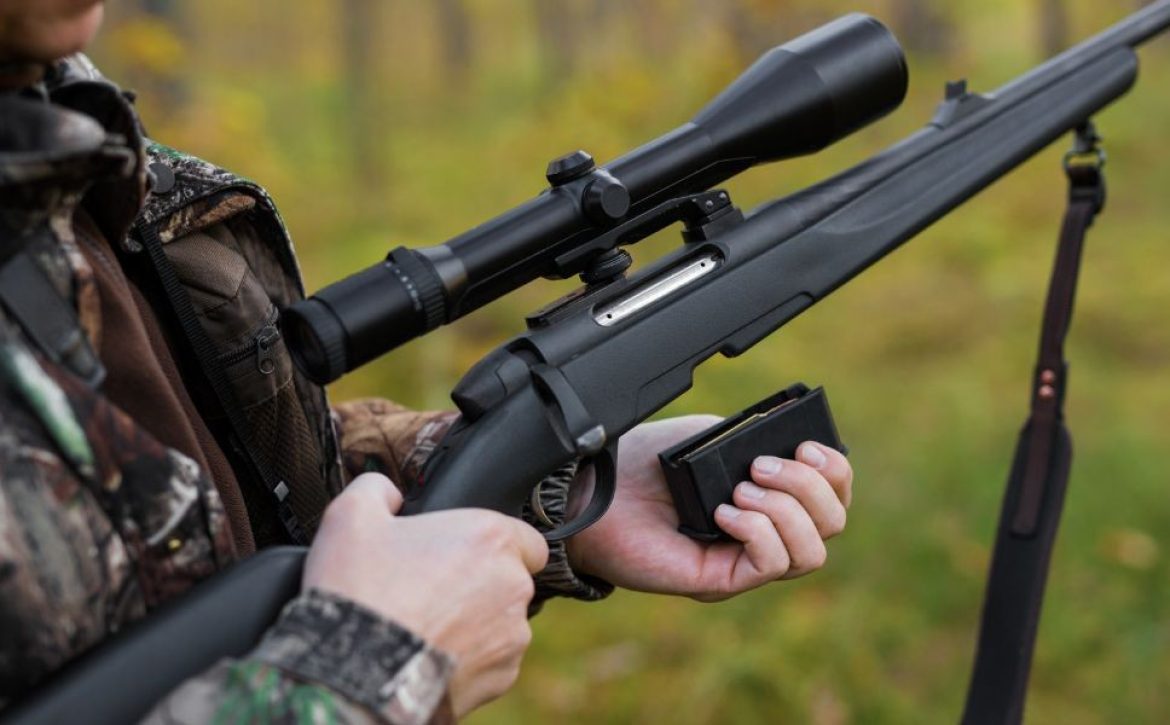
How to Clean Your Hunting Rifle

You, as a hunting enthusiast, know that maintaining your rifle ensures its longevity. Neglecting to clean it might result in malfunctions or unreliable performance on the field. By learning how to clean and store your gear properly, you can ensure your investment lasts longer, making each trip into the wilderness more fruitful.

The Importance of Regular Cleaning and Protection

Your firearm deserves top-tier care to keep its performance at peak levels. You might not realize how crucial regular cleaning and protection are for this equipment. Many hunters put away their rifles post-season without cleaning them first. This oversight poses serious damage risks.

Because moisture trapped in uncleaned bores and actions proves detrimental over time, causing corrosion or rust that gnaws on metal surfaces like an unwanted pest. Affected areas turn pitted and rough, sabotaging accuracy and eventually ruining the functionality of your prized weapon.

Simply put, a neglectful approach chips away at the lifespan of your trusted tool slowly yet surely, wrecking both precision shooting capabilities and potential trophy-winning shots down the line too! To prevent such issues, maintaining cleanliness should sit high on any firearm owner’s priority list.

Frequency of Cleaning

The frequency at which you clean your hunting rifle can vary. Two key factors decide how often you use it and under what conditions. If frequent trips to the shooting range are part of your routine, consider cleaning after each visit; after all, an average day could see a couple of dozen rounds being fired.

However, some avid shooters argue that excessive brushing might harm their rifles’ bores over time, though realistically, nothing puts more strain than a bullet tearing through at nearly 3,000 feet per second! Yet when discussing outdoor hunts where mud or sand may find its way into the barrel, especially if exposed to saltwater, immediate care becomes paramount for longevity’s sake.

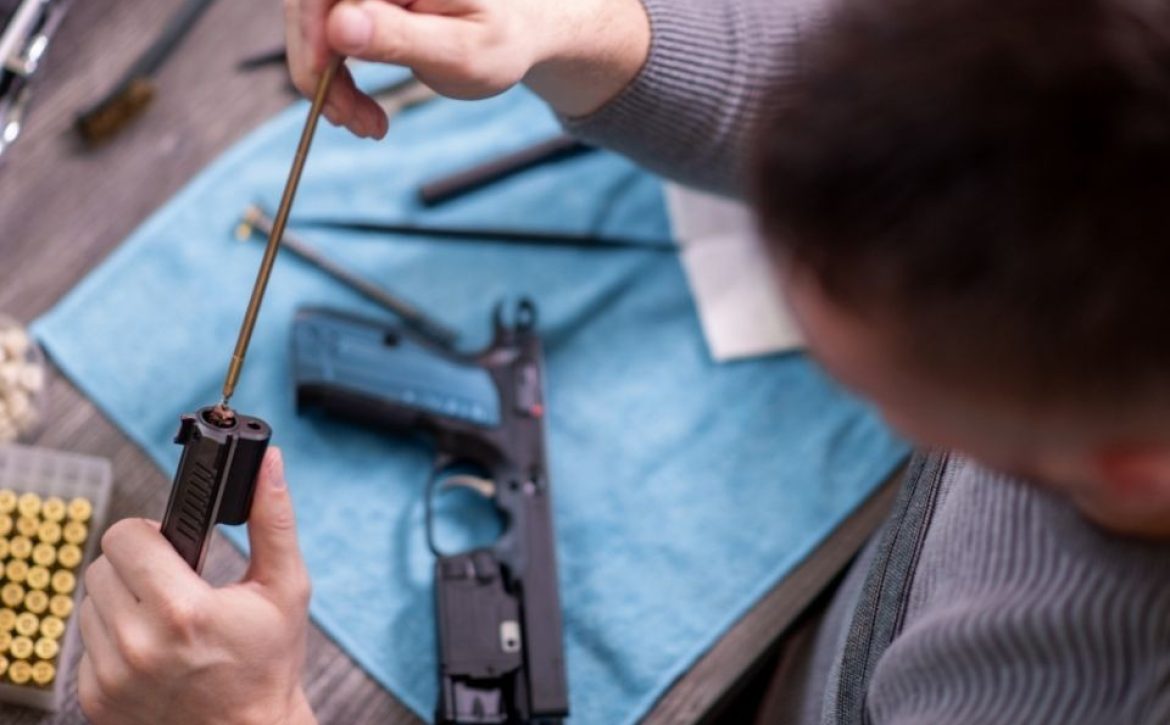
Having the right tools is essential for efficiently cleaning your weapon, regardless of the situation. This includes a cradle to provide stability, coated cleaning rods with nylon/brass brushes and jags to prevent scratching the bore, and cotton patches for wiping down.

Essential Tools and Equipment for Rifle Cleaning

Your selection of cleaning gear should be optimal to enhance the longevity and performance of your firearms, especially when using solvent traps. High-quality solvents in today’s market, such as Hoppes Elite, can yield great results.

When using solvent traps, it’s crucial to follow proper procedures. While soaking patches with solvent, ensure you’ve anchored your rifle securely, considering employing a vise angled downwards. This setup prevents unclean substances from seeping back into the action area, making cleaning more effective.

A bronze bore brush soaked in solvent proves to be another indispensable tool when using solvent traps. It assists well in cleansing the barrel interior, especially if your firearm has seen extensive usage. Furthermore, running wet patches through that same bore helps draw out further residues until you achieve the desired level of cleanliness.

Keep in mind that using solvent traps requires patience. Expect at least three rounds of cleaning before noticing any substantial improvement. But with each step, you navigate this somewhat complex process while protecting one of your most prized possessions from damage caused due to exposure during hunts.

Preparing Your Work Station for Cleaning

First, prepare your workstation with the tools and equipment for cleaning your firearm. This will ensure that you can tackle the cleaning task easily without damaging your equipment. Begin by securing a small stack of patches and thoroughly soaking them with solvent.

Next, secure your rifle to avoid accidental harm to parts like the barrel or receiver while working on them. Remember to use an effective tool such as a vise for better control during the process, which applies to cleaning your firearm. Using a vise can also help keep unwanted debris from moving back into essential areas of the action.

Basic Cleaning Techniques for Light Use

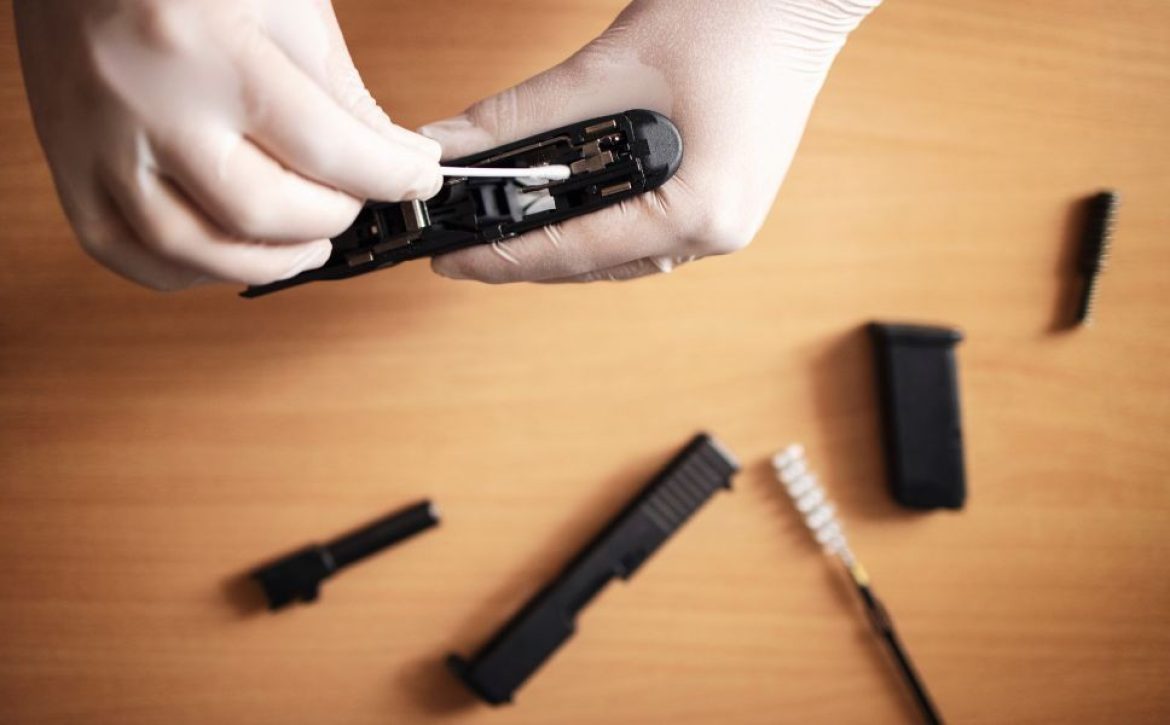
In continuing your rudimentary cleaning of a lightly used hunting rifle, start by dividing the firearm. Remember to triple-check that it’s unloaded before you begin any work on it. Lay down the piece on a secure surface and set about disassembling as far as you’re comfortable going.

User manuals or NRA guides are excellent starting points if first-time jitters arise during this process. Once separated, turn your focus toward cleansing the barrel, not just with an oil-soaked rag but properly scrubbing until it’s shiny again when examined under proper light. Dedicate attention towards removing lodged debris using nylon brushes fitting for the rifle’s caliber or shotguns gauges alike.

Hoppe’s 9 Gun Bore Cleaner comes in handy to clear out powder remnants or lead traces from shooting exercises previously undertaken. To wrap up this maintenance phase effectively, delicately run an oiled patch through, covering every inch inside there, ensuring optimal functionality next time while appreciating pre-oiled patches to aid streamlined operations.

Mastering Deep Cleaning: Thorough Disassembly and Maintenance

You may not always need to deep clean your hunting rifle. However, after a trip in harsh conditions like mud or saltwater, it’s crucial to do so. You also want to deep clean if you have fired many rounds at the range.

The cleaning procedure should not cause damage; even heavy brushing could be beneficial if needed. Begin by securing your firearm on a cradle for convenience and stability during work time. Coated rods are useful here with their protective surfaces that spare the bore damage while aligning well with its rifling.

Use either nylon or brass brushes alongside patches held by jags of similar material for best results; these help clear out powder residue quite effectively without leaving any scratches behind them! A solvent-soaked patch easily navigates through bores courtesy of a skillfully crafted cleaning rod/jag assembly. Alternating between wet and dry ones many times over until they come full circle will ensure maximum efficiency when dealing with really dirty barrels.

Finally, remember to use properly maintained light oil coatings to help preserve barrels, especially when stowed away long-term! So, remember this, regular rifle maintenance secures your hunting success.

Armory Den offers top-tier solvent traps to make firearm cleaning breeze. A simple-to-use solution that is effective and efficient. Ensure a clean bore after each use; decay and rust never rest and you will leave no mess behind!

With constant care and routine checks of all device parts, you can guarantee longevity for your tool of choice, including the use of solvent traps for firearm cleaning accessories.

Remember that patience is key during any thorough cleanup process!

Read More

How Often Should You Clean Your Handgun?

Your handgun is your trusted companion. Take care of it well to keep its performance at its best. Regular cleaning prevents rust buildup and other damage. But how often should you do this maintenance task?

Factors Affecting Cleaning Frequency

Create a schedule where you give it attention every two weeks or at least monthly to keep its readiness intact. Notably, the outer part of the slide needs to be oiled to avoid any rust due to contact with the skin.

After around 250-300 rounds have been shot from your firearm, consider conducting a general clean-up session to rejuvenate its performance and lifespan. Pump up this maintenance notch by doing an extensive cleanse once approximately 3,000 rounds have been fired to guarantee optimal function and prepare it perfectly for future competitions. Environmental factors heavily affect how often firearms should be cleaned, as exposure can quickly lead to deterioration, such as rusting caused by elements like heat and damp conditions.

Hunting firearms particularly need considerable care because they get stowed away between uses, which might expose them disproportionately more than other firearms to environmental pollutants, causing build-ups over time and leading eventually to faster wear-out rates.

Importance of Maintenance and Cleaning for Handguns

Regular maintenance, including thorough cleanings, proves beneficial in preserving its top-notch condition.

If left neglected, debris or excessive lubricants can accumulate in movable parts, causing trouble with functionality. A routine deep clean eliminates these harmful components, assuring that your pistol performs reliably when needed most. Accuracy can dwindle over time due to grit build-up within the barrel, disrupting performance. Regular upkeep ensures these issues vanish, enhancing precision. Moreover, longevity should be considered as well.

Diligent care drastically extends a firearm’s shelf-life, preventing unwanted wear-and-tear from gunk accumulation and moisture exposure, potentially leading to rusting or permanent corrosion damage. Ensuring dry storage conditions and regular revamps keeps any potential harm at bay, thus securing prolonged use! In conclusion, prioritizing consistent cleanliness leads to stress-free usage and helps maintain accuracy, ensuring optimal efficiency every time you pull out that trusted firearm!

Create a schedule where you give it attention every two weeks or at least monthly to keep its readiness intact. Notably, the outer part of the slide needs to be oiled to avoid any rust due to contact with the skin.

After around 250-300 rounds have been shot from your firearm, consider conducting a general clean-up session to rejuvenate its performance and lifespan. Pump up this maintenance notch by doing an extensive cleanse once approximately 3,000 rounds have been fired to guarantee optimal function and prepare it perfectly for future competitions. Environmental factors heavily affect how often firearms should be cleaned, as exposure can quickly lead to deterioration, such as rusting caused by elements like heat and damp conditions.

Hunting firearms particularly need considerable care because they get stowed away between uses, which might expose them disproportionately more than other firearms to environmental pollutants, causing build-ups over time and leading eventually to faster wear-out rates.

Understanding Normal Wear vs. Eccentric Wear

As you use your firearm, normal wear is expected. Much like a well-loved pair of shoes develop natural creases over time, parts of your pistol will inevitably see some degree of wear from use. This process doesn’t usually disrupt the firearm’s operation until significant usage has accrued.

Conversely, eccentric wear presents more serious implications for function. Imagine sand in those beloved shoes; it makes walking painful and can damage the footwear if not addressed promptly! Similarly, with firearms, foreign particles such as dirt or unburned powder result in erratic wearing away, which affects smooth functioning.

You might notice decreased accuracy when shooting; this could be due to powder residue clogging up vital mechanics within your handgun’s structure, negatively impacting its precision capabilities. The springs also need keen attention since they naturally depreciate after thousands of rounds are fired off, causing slower response times during recoil action. This is why regular maintenance checkups on these key elements should never be overlooked, regardless of how tough or reliable your weapon claims to perform!

How Often Should You Clean Your Handgun?

Keeping your firearm clean plays a crucial role in its overall performance. Firing leaves particles behind that build up over time. These residues can eventually cause the firearm to malfunction if not removed regularly.

More regular cleaning might be necessary if you’re frequently at shooting ranges or exposed to harsh environments. However, even if left idle and safe from harm’s way for long periods, it doesn’t mean neglecting cleaning entirely is okay. The type of ammunition shot through your handgun also impacts how frequently you should clean it due to varying residue amounts they produce when fired.

Remember, too much cleanliness isn’t always better, either. Excessive swabbing could lead to wear on certain parts, negatively impacting accuracy. An aspect some overlook often but worthy of note nonetheless! In a nutshell, find the balance best suiting your habits with firing and exposure conditions, which will help extend life longevity and maintain efficient functionality for this essential tool.

Field Stripping and Maintenance Tips

Every firearm requires occasional disassembly, commonly known as field stripping. This procedure allows for a more thorough clean-up beyond what surface cleaning can offer. Field-stripping your firearm should be part of your regular maintenance routine to ensure prolonged efficacy and durability.

Remember that each type of weapon has its unique method for field stripping, so always refer back to the manufacturer’s guide or seek assistance from trained professionals if you’re unsure about it. You need several tools during this process: screwdrivers, pins, punches, and brushes with nylon bristles are among them. Ensure they match your handgun size before starting any dismantling operation.

A wrongly sized tool could cause preventable damage to your equipment. Additionally, utilizing high-quality solvent traps and lubricants during these tasks is essential. Never compromise on quality over price here!

The right solvent traps will provide additional benefits of firearm cleaning to help catch and trap grime buildup during cleaning. Cleaning your firearm with these effective solutions will motivate you clean more often to reduce future wear caused by continuous shooting activities. These steps significantly maintain peak performance levels while increasing longevity. Remember to follow safety protocols and handle your firearm responsibly throughout maintenance.

Storage & Safety Practices

Safe storage plays a crucial role in your firearm’s longevity. Always store firearms unloaded, preferably in an area with low humidity, to prevent rusting or corrosion. Furthermore, keep it away from children’s reach. This is not to be confused with dry storage, which our solvent traps can be used for as well. Here, we refer to the actual safe storage of your firearms.

If you have others living with you, consider investing in a reliable and secure lockbox or safe that will be accessed by authorized persons only; this can reduce the risk of accidents significantly. Regarding safety practices during handling and use, always treat every weapon as if loaded. Be cautious not just for yourself but those around you, too, when carrying or shooting at a range; no game is worth human life!

Avoid pointing your firearm toward anything which may cause unintended injury or damage. Remember, bullets often penetrate walls unintentionally! With all these vital points considered: proper cleaning schedules maintained with cautionary usage patterns adhered to, your weapons are bound to stay functioning smoothly for years on end!

Read More

The Tools You Need to Clean Your Firearm

Are you looking for the perfect way to clean your firearm but don’t know where to start? Solvent trap kits are an essential tool in maintaining your firearm’s condition and performance. They offer a wide variety of cleaning accessories, such as adapters, end caps, and thread protectors that make it easier!

With durable, rust-resistant construction, solvent trap kits allow easy access and storage for all your pre-cleaning materials. Whether you’re just starting or have been doing this for years, investing in quality products is paramount when caring for firearms properly. Armory Den has a selection that fits every budget, so check them out today!

Solvent Traps for Efficient Firearm Cleaning

Select a solvent trap kit compatible with your firearm to maximize efficiency in firearm cleaning. High-quality kits offer various sizes of end cap thread protectors to ensure compatibility with multiple firearms. Remember the importance of material choice for optimal durability, performance, and long-lasting value.

You need the right tools to maintain your firearms and keep them in excellent condition. A solvent trap kit’s an essential part of that tool suite, providing all the necessary supplies for proper firearm maintenance, such as adapters, cleaning rods, brushes, and other accessories.

The Versatile Multi-Tool

In addition to solvent trap kits, a versatile multi-tool is an essential accessory for firearm maintenance and can be used for prepper dry storage. This dual-use compact product combines makes it more convenient for cleaning sessions and useful for storage.

Cleaning Rods for Safe and Effective Firearm Maintenance

When using solvent trap kits for firearm maintenance, selecting the right cleaning rods greatly impacts effectiveness. Choose soft metal rodsor flexible rods to prevent damaging your firearm’s barrel while thoroughly removing dirt and debris. High-quality coated or carbon fiber cleaning rods offer excellent performance without compromising safety.

Bore Brush, Jag, and Loop

Bore brushes, jags, and loops are essential for thorough cleaning. Bristled bore brushes dislodge debris from the barrel’s interior, while a jag or loop can be used to run cloth patches through for final polishing. These tools ensure optimal firearm performance and enhance shooting accuracy by keeping the bore impeccable. Routine firearm maintenance also helps with reliability and reduces of malfuntioning.

Right Solutions for Optimal Firearm Maintenance

Choosing the right cleaning solutions for optimal firearm maintenance ensures a thorough cleaning process. Select non-corrosive solvents and lubricants, as they protect your firearm’s components from damage while effectively removing residue. Always follow the manufacturer’s recommendations to maintain your weapon’s longevity and performance during regular upkeep sessions.

At Armory Den, we provide a selection of high-grade kits with everything required to clean any firearm safely while keeping it clean and operating like new!

So, don’t forget about having a complete set of items when caring for your firearms. Invest in one today at Armory Den, so they stay working reliably and accurately no matter what circumstances arise.

Read More

Does Your AR Need a Muzzle Brake?

Are you pondering the pros and cons of using a muzzle brake? These devices help control recoil, enabling better accuracy with faster follow-up shots.

By comparing muzzle brakes to flash hiders, we can decide which is best for our rifle setup. It’s important to understand that these two accessories have different characteristics; one reduces felt recoil while the other minimizes the visible signature of the muzzle flash, something worth considering when choosing between them! Armory Den offers both options, so it’s easy to find what suits your needs perfectly.

Understanding Muzzle Brakes and ARs

Building on the discussion of whether your AR needs a muzzle brake, let’s explore how these devices can specifically enhance the performance and shooting experience of AR-platform rifles. Muzzle brakes are designed to decrease recoil by redirecting gases as they exit the barrel. It is particularly useful for semi-automatic firearms like various models in the ArmaLite Rifle (AR) series.

Moreover, reducing felt recoil can improve shooter comfort during extended-range sessions or competitions and potentially lead to increased accuracy due to better control and overall experience.

Before deciding on adding an AR muzzle brake, it is important to identify your personal objectives. Consider the frequency of target practice or particular applications such as hunting large game versus home-defense situations.

Additionally, considering diverse regulations concerning detachable threaded muzzles across jurisdictions mandates thorough research into local laws for legality compliance purposes prior to installation. Especially regarding restrictions linked with flash-hiders alongside post-ban era considerations tied to State Assault Weapons Control Acts provisions present throughout some states within US territory limits possible adoption scenarios involving firearm modifications overall.

Benefits of Installing a Muzzle Brake

Upon deciding if your AR requires a muzzle brake, consider the various advantages of this useful addition. One primary benefit is reduced recoil, which allows for greater control and stability during rapid-fire situations or extended shooting sessions. Reduced felt recoil improves accuracy by minimizing barrel movement as you shoot.

Another advantage comes into play when engaging in long-range shooting or participating in competitive events: better sight picture retention. Muzzle brakes redirect gas and flash sideways rather than upwards from the muzzle. Hence maintaining an unobstructed view of your target after each shot can vastly improve follow-up shots’ speed and precision.

Finally, enhanced overall comfort while firing should not be underestimated, particularly for those new to AR platform rifles, which may find their noise level overwhelming. By directing sound waves away laterally instead of straight back, your ears are spared from potential hearing damage over prolonged periods. Although some muzzle brakes may increase sound, they help by pushing the sound forward.

Installation Considerations for an AR

While deciding whether to add a muzzle brake to your rifle, carefully considering the installation process is crucial. A correct and secure installation can significantly influence both safety and performance.

Remember that DIY installations may not be suitable for every enthusiast due to variability in technical skills or available tools. Begin by examining compatibility between your specific rifle model and potential muzzle brakes: thread patterns dictate if they will align properly without any form of modifications. Next, evaluate whether you have adequate expertise to undertake this task yourself; professional installations are typically more expensive but ensure expert accuracy.

In case you decide on self-installation, there are several essential pieces of equipment you should gather. These include barrel vise jaws, receiver blocks with holding pins (if needed), and level reference devices such as bubble levels or laser bore sighters. Additionally, you should have a torque wrench calibrated in inch-pounds, as well as proper-sized hex key sockets corresponding to the manufacturer’s specifications to ensure optimum tightening forces and prevent muscle memory from causing any errors when determining absolute values.

Dedicate sufficient time so no steps are skipped under pressure during assembly stages. Remember, patience yields better success rates than rushing through intricate processes while fitting valuable components.

Finally, test-fire before finalizing anything permanently affixed through adhesive agents, including Loctite application positions where slippage won’t impede functionality post-tightening phase completion.

Potential Drawbacks to a Muzzle Brake

While there are benefits to using a muzzle brake, it’s essential to acknowledge the potential downsides as well. One significant drawback is increased noise levels when firing your rifle.

Since the gases from each shot exit at an angle instead of straight out from the rifle, you may notice louder noises during use. This means that you’ll need additional hearing protection and could potentially disturb other shooters on the range. Additionally, adding a muzzle brake can add extra length and weight to your firearm setup.

With most brakes extending around two inches in size, this might not seem like much initially. However, combined with standard barrel lengths such as the 16-inch barrels seen on many ARs today, suddenly having an extended weapon system isn’t ideal for users desiring compactness or maneuverability. Furthermore, investing in high-quality devices installed by professional gunsmiths can be costly, up to $250 or more, depending on the materials used and labor involved in installation processes required throughout ownership periods.

In summary, when considering incorporating a muzzle brake into an AR setup, it is important to take personal requirements and potential trade-offs into account. Doing this will likely lead to desired performance enhancements while also ensuring that user satisfaction remains high during target practice sessions with this versatile weapon platform which has become increasingly popular among enthusiasts globally today.

Whether you’re looking for improved accuracy, reduced recoil, or to customize the look of your rifle, Armory Den has a muzzle brake that will meet all your needs. At Armory Den, we strive to provide our customers with quality parts at competitive prices, ensuring everyone can find something suitable within their budget. Check us out today and see how we can help improve your AR shooting experience!

Read More

What are the Different Types of AR-15 Muzzle Devices?

You may have heard of AR-15 muzzle devices, but do you know what they actually are and the difference between them? A muzzle device is a firearm accessory that attaches to the end of the barrel.

There are three common types: muzzle brake, compensator, and flash hider. All three provide similar benefits, such as lower recoil or reduced flash signature when firing shots. However, each one works differently from the others.

A muzzle brake redirects gas away from behind the rifle so it doesn’t increase felt recoil while shooting, whereas a compensator vents gas sideways, which reduces rising during rapid-fire sessions.

On the other hand, a flash hider covers up any visible flame created when firing high-pressure rounds through an unsuppressed weapon system, keeping everything ‘invisible’ to our naked eyes.

Different Types of AR-15 Muzzle Devices

Muzzle Brakes

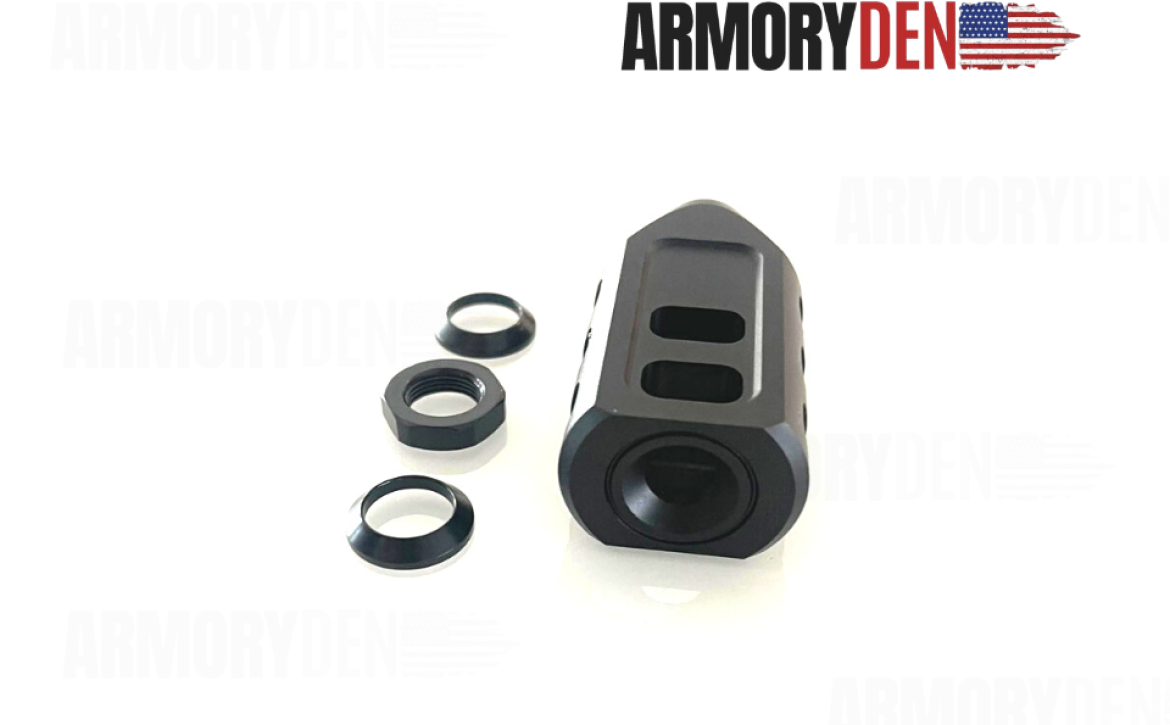
Muzzle brakes are designed with specially located exhaust ports on the muzzle’s circumference. These ports are typically angled away from each other to create counter-forces that can counter the gas energy and backward push against the shooter’s shoulder area. This force is directed either up, out, or down which provides the necessary stability controls to keep sights aimed where they need to be between shots fired. As a result, re-acquiring the sight picture after each shot is faster and more accurate. It also makes it easier for shooters to make multiple engagements without any distractions from kickback forces or accuracy issues.

As such, a vital role in achieving enhanced reduction levels is found in the variety of makes and models that are offered today to accommodate specific needs and types of calibers. When trying to customize and match the desired outcome and preferences of rifle systems, they’re installed using standardized threading options widely available across an array of barrels.

Compensators

Compensators, another popular AR-15 muzzle device, primarily reduce muzzle flip and climb. A compensator is a critical component in enhancing the performance of your firearm, particularly when rapid or successive shots are necessary. Primarily designed to redirect the gases emitted from the muzzle upward upon firing, it mitigates muzzle climb and enhances control over recoil. By minimizing the vertical movement of your AR-15 rifle during shooting sessions, you’ll experience improved precision with tighter groupings on target.

This valuable accessory proves especially beneficial for novice shooters who may find handling recoil daunting and seasoned professionals looking for an edge in competition scenarios. The effectiveness of a compensator largely depends on its design features and construction materials. High-quality options typically boast sturdy builds using stainless steel or other robust metals that endure regular heavy use without compromising durability or structural integrity.

When selecting an appropriate compensator for your AR-15, there are several factors to consider. These include intended usage requirements and the stability-control measures gained through the installation of the device.

Flash Hiders

Flash hiders come in different shapes and designs to accommodate varying firearm types for hunters, tactical shooters, or competitive sports enthusiasts alike, ensuring there’s something suitable for everyone’s unique needs. A couple of common variations include birdcage and three-prong models. Each offers its distinct advantages depending on user preferences or specific scenarios faced out on hunts or ranges.

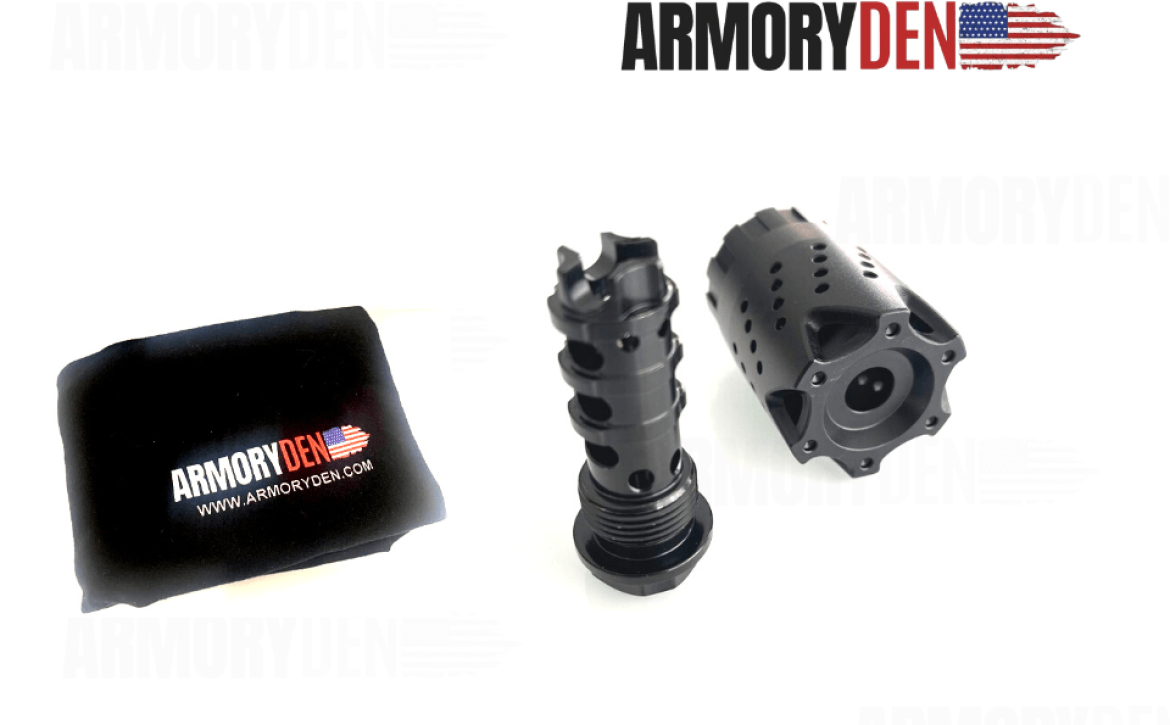
The birdcage style incorporates a cylindrical shape fitted around vented slots allowing gas from fired bullets to dissipate evenly while limiting flame exposure outside its confines, making it ideal if remaining discreet under pressure matters most (such as in military applications).

Flash hiders are beneficial to not just rifles but shotguns as well. The flash hider adds stabilizing measures to the stocks and shoulders of weapons, which reduces vibrations throughout the body and prevents recoil damage during periods of perpetual use.

Reasons to Upgrade Your Muzzle Device

Whether it’s to maximize accuracy, reduce recoil, or change the look of your firearm, there are many benefits that come with upgrading. There are three main types of muzzle devices available: brakes, compensators, and flash hiders.

There are several reasons why one should consider replacing or upgrading the existing recoil management system on an AR-15. These include:

  • Reduction of felt recoil
  • Minimizing flash signature in low-light situations
  • Decreasing barrel rise during rapid-fire mode
  • Improving accuracy when firing follow-up shots quickly
  • Customizing the aesthetic look for build preference

Finding an ideal muzzle device that complements both your rifle and ammo is indispensable. When selecting a suitable caliber-specific muzzle brake or compensator, consider factors such as bullet weight and velocity, which directly influence gas pressure at release. Bear in mind that some devices may work well with specific calibers while others might not deliver optimal results under different circumstances.

With these considerations in mind, you can make more informed decisions about choosing the right AR-15 muzzle devices for your setup.

In conclusion, when looking into enhancing your AR-15 experience through managing excess muzzle blast, it is important to invest in a superior quality product. This product should be advanced and able to reduce the recoil force levels caused by escaping gases. By reducing the recoil force levels, shot precision will increase overall.

Upgrading your muzzle device can drastically improve your shooting experience. Armory Den offers several types of excellent muzzle devices that provide more control over the firearm than standard models.

At Armory Den, we offer a range of AR-15 muzzle devices to suit your needs. A flash hider reduces the visible light and noise when shooting, while compensators reduce recoil. Muzzle brakes redirect sound forward, away from the shooter, improving accuracy and reducing felt recoil in some cases as well.

So, you can choose one depending on how much control over firearm discharge each type provides—whether it’s reducing or controlling its movement, direction, or both! Ultimately, though, no matter which device you go for, make sure that it fits snugly with all other components after proper installation by an experienced gunsmith for maximum safety, regulatory compliance, as well as reliability and performance benefits.

Read More

Muzzle Brakes 101: A Beginners Guide

Are you looking for a guide to muzzle brakes? We’ve got all the basics covered.

Take your time and read through this article as we take you on an introductory journey into understanding what components make up muzzle brakes, why they’re used, how to choose one that’s best suited for your needs, and more. It’s often considered difficult to understand different types of muzzle brakes, but with easy-to-understand explanations about their concept, installation process, etc., firearm owners can save themselves from going down a confusing rabbit hole. Equipped with the necessary information regarding materials and features associated with these specific models, selecting quality products won’t be much of a hurdle now!

What is a Muzzle Brake?

Primarily designed to minimize recoil, these devices attach to your firearm’s barrel through threading, most commonly found on AR platforms like AR-10s, AR-15s, or AR-9s. By effectively redirecting propellant gases that exit the barrel when firing a round, they help lessen both recoil and muzzle rise, aspects critical for shooter comfort and accuracy.

Some modern designs even possess built-in flash hider cut-outs, decreasing recoil while dispersing muzzle flash.

As a result, firearm handling becomes easier to manage. Follow-up shots are more quickly achieved. Safety measures remain in place for shooters who find excessive noise levels uncomfortable, particularly when shooting outdoors or at ranges where hearing protection is essential.

To better explain how these unique accessories work in tandem with various types of firearm setups and why you should consider including one as part of your setup, let’s dive in.

What Does a Muzzle Brake Do?

Let’s explore some additional aspects you should consider when selecting a brake for your firearm. First and foremost, noise levels are integral in determining which device suits your needs best.

While reducing recoil significantly benefits accuracy and control during shooting sessions, increased sound emissions may potentially cause discomfort or annoyance for nearby users at firing ranges.

When considering various calibers, such as 9mm pistols or AR-15 rifles, two important factors must be taken into account. Firstly, it is vital to understand the intended use of each caliber. Secondly, it is necessary to consider how these calibers can be used in real-world scenarios. This includes making strategic decisions surrounding the selection of accessories, such as choosing the optimal caliber-specific muzzle attachments manufactured by well-known brands.

Lastly, ease of installation can simplify matters substantially. Many options come equipped with straightforward mechanisms allowing swift set-up without requiring specialized tools, so users can enjoy improved performance immediately upon integration into their firearm’s setup process, thus optimizing range time through maximized efficiency.

Armed with this deeper understanding of what a muzzle brake does, you will surely be aided in decision-making regarding investments toward precision enhancement while maintaining personal comfort throughout every practice session.

Benefits of Muzzle Brakes

As a firearm enthusiast, you may already know the basics of muzzle brakes. Now let’s delve into their benefits to truly understand why they’re such a valuable addition to your shooting experience. First and foremost, recoil reduction ranks high on the list of advantages.

By redirecting gases exiting the barrel after firing, muzzle brakes help decrease felt recoil by up to 50%. This not only makes shooting more comfortable but also contributes to significantly better experience at the range. Using a muzzle brake on your rifle or shotgun also improves accuracy.

The diminished recoil allows for better shot placement control and reduces flinching tendencies often associated with heavy-recoiling firearms. Consequently, you can improve target reacquisition time between rounds. It is perfect for competition shooters or hunters looking for quick successive shots at multiple targets. Notably, fewer disturbances from heat mirages offer an additional advantage in long-range precision shooting with rifles equipped with powerful scopes.

Calibers ranging from .300 – .408 provide excellent results during tests! Muzzle brakes enhance overall performance and contribute substantially towards proficiency levels regarding marksmanship endeavors. This proves investing in proper accessories is an optimal decision when making potential equipment purchases!

Finding the Best Fitting Option

In your quest for the perfect muzzle brake, consider several factors to ensure you make a well-informed decision. Initially, assess the caliber of your firearm; different calibers require specific muzzle brakes tailored to handle varying levels of recoil reduction.

Next, ponder over its construction material; stainless steel and titanium are popular choices as they offer both durability and corrosion resistance, but some work well with high-grade aluminum. Furthermore, weigh the pros against the cons regarding installation methods. While some designs feature easy-to-use thread-on mechanisms that allow for uncomplicated attachment or removal without expert guidance, others necessitate professional gunsmith assistance due to their pin-and-weld installations.

Analyze various patterns such as side-venting ports versus top vents, a crucial aspect in determining how effectively an accessory like this can counteract inevitable drifts during shooting exercises or real-world scenarios alike! A combination port design might suit those who desire optimal performance by reducing both horizontal shift (side-port) effects alongside vertical motion disturbance (top vent). Lastly, check compatibility with your firearm model to guarantee compatibility and avoid potential troubleshooting issues further down the line! Remember that each shooter has individual preferences and needs. With a plethora of muzzle brake designs to choose from, you can rest assured that you will find the perfect addition to your firearm.

Armory Den offers a wide array of high grade muzzle brakes and are the perfect choice for both experienced and beginners due to their simple installation and dependable quality. These components will minimize recoil, decrease felt recoil, and improve accuracy—all while allowing you to shoot comfortably in any environment. Whether shooting long-distance or from a bench rest position, this guide has provided helpful information on how these devices work so that you can confidently select ones that match your needs.

With Armory Den’s superior product selection, it’s easy for even novice shooters to vastly improve their performance without sacrificing safety or comfort.

Read More

The Pros and Cons of Using a Pistol Compensator on Your Carry Firearm

Are you considering using a pistol compensator on your carry firearm? This device can help reduce recoil, muzzle flips, through forcing projected gases forward. With these benefits come potential drawbacks like an increased weight at the end of the barrel and other side effects that could interfere with accuracy or feel in hand.

The Pros of a Pistol Compensator

Designed to reduce recoil, these devices allow for faster follow-up shots and greater accuracy during rapid-fire situations.

A key benefit of using a quality compensator is achieving optimal barrel length while minimizing bulkiness often associated with other compensating systems. In fact, compact slides equipped with an in-frame compensator provide enhanced maneuverability without sacrificing control over the firearm’s power management.

When comparing single vs. dual-port designs, you might notice that although both types effectively manage felt recoil, the latter can potentially achieve up to 55% recoil reduction compared to its counterpart at just about 35%. This significant improvement offers shooters a smoother handling experience even when firing powerful rounds through rather small pistols, something not possible without compensation technology onboard. In conclusion, adding a well-crafted 9mm pistol compensator offers more than one advantage, including reduced recoil impulse allowing for better target reacquisition after each shot fired.

An improved overall shooting experience is due largely to new innovations in the field. These innovations have made size-related drawbacks, which were typically seen before now, virtually nonexistent. As a result, they have become an increasingly popular choice among both seasoned and beginner shooters who value precision and efficiency equally.

The Cons of a Pistol Compensator

Despite the benefits of using a pistol compensator, several drawbacks need to be considered. One notable disadvantage is increased firearm size and weight. A larger weapon can make concealed carry more challenging for some individuals.

While manufacturers innovate smaller designs, any added device will inevitably contribute mass. Another concern when employing a pistol compensator involves unorthodox shooting positions with close retention. You may encounter a gas discharge on your face upon firing.

Though this inconvenience causes minor discomfort rather than severe harm or danger, training plays an essential role in overcoming these situations effectively. Muzzle flash also pose potential problems since upwardly directed gas expels visible flashes concurrently, especially during low-light conditions. Although it’s unlikely that one shot would eliminate night vision entirely, bear in mind that excessive muzzle flash might momentarily disorient shooters who aren’t prepared for such occurrences.

Additionally, compatibility concerns arise between specific pistol models and particular compensators on the market today. Every accessory doesn’t necessarily suit all firearms uniformly across brands or design types without adjustments needed first-hand by users themselves. Before purchase, carefully check product specifications and consult industry professionals regarding installation options available should unique circumstances surface later down the line where required further assistance solving the issue presented initially.

Concealment Benefits from Using a Pistol Compensator

When it comes to concealment, the benefits of using a pistol compensator on your carry firearm may outweigh the potential drawbacks. Generally speaking, adding a comp to your handgun can make controlling shots easier and improve overall accuracy during rapid-fire sequences or stressful situations.

For concealed carriers who opt for smaller handguns like subcompacts, the addition of an effective but minimal-sized compensator may not significantly impact concealability. Modern compact comps are designed with discretion in mind so that they don’t protrude excessively beyond the muzzle, making them less likely to print through clothing while carrying inside-the-waistband (IWB). With reduced muzzle flip and recoil thanks to the use of an appropriately sized compensator, shooters may find themselves better able to reacquire their target quickly after firing each round.

This leads many people towards more accurate follow-up shots with enhanced precision under stress, which plays a crucial role in self-defense scenarios where every shot counts. Furthermore, as new holsters continue to be developed specifically for compensated pistols by manufacturers following current trends in firearms technology, you’ll have incrementally improved options for concealing comp-equipped guns without sacrificing comfort or accessibility when needed most.

In summary, combining efficiency-enhancing advantages such as increased control over shot placement and stability with existing innovations in holster design can effectively reduce or eliminate potential adverse effects on one’s ability to properly achieve discreet daily concealed-carry solutions in various everyday settings and environments.

Maneuverability When Holstering With a Pistol Equipped With a Compensator

Maneuverability when holstering a pistol equipped with a compensator can be a challenge. Reputable holster manufacturers have recognized this demand and are now producing models specifically for firearms with comps. Options range from inside-the-waistband (IWB) to outside-the-waistband (OWB) varieties, but it’s essential to choose one designed explicitly for comped pistols to ensure proper fitment.

When handling a firearm fitted with an accessory such as a compensator, extra care must be taken during reholstering or unholstering. Maintaining control of the muzzle direction is essential to reduce the chances of an accidental discharge. This can help to prevent unwanted incidents from occurring due to negligence.

Users who are not properly trained should follow professional advice and take steps to guarantee everyone’s safety and the environment around them. An enhanced user experience will ultimately lead to increased confidence while using the firearm efficiently, resulting in better performance overall.

A commitment to investing time, money, and training resources proves invaluable when owning a firearm responsibly and effectively managing the potential risks associated with it. It’s important to remember to seek assistance and guidance from experts before making a purchase decision since choosing a suitable product requires a thorough understanding of individual needs and preferences, which vary significantly from person to person. Always prioritize your personal well-being and that of others by practicing safe habits and adhering to the highest standards.

Using a pistol compensator on your carry firearm has definite pros and cons. It can help reduce recoil, making it easier to get back on target quickly for follow-up shots; however, the additional weight of the muzzle device may result in increased fatigue if carried all day. Armory Den stocks linear compensators, which are designed to redirect noise away from you when shooting—an important factor for those who need their firearms as tools in close quarters or residential areas.

At the end of the day, though, deciding whether or not a compensated handgun is right for you comes down to personal preference and circumstance; you must weigh up what matters most based on your particular use case criteria.

Read More

Muzzle Brakes, Compensators, and Flash Hiders: What’s the Difference?

You may have seen muzzle devices on rifles designed for hunting, sport shooting, and even military use. But do you know the difference between a muzzle brake, compensator, or flash hider? Each of these serves a different purpose, but they also share some similarities.

A muzzle brake is used to reduce felt recoil when shooting with some muzzle brakes providing universal external threads that allow for the streamline adaptation of additional muzzle devices or items that may serve various purposes. Compensators are designed to keep a rifle from rising when firing quickly. Lastly, flash hiders help conceal much of the visible light emitted from the barrel when a round is fired.

Many of these three muzzle device types will serve a primary purpose, but also help with other purposes (i.e. some muzzle brakes will reduce flash incidentally, while some flash hiders may reduce recoil and so on) – but the most important thing is that the specific device accomplishes what it’s intended for. Therefore, knowing which type works best with specific firearms can be beneficial.

Types of Muzzle Devices

As a firearms aficionado, understanding the various types of muzzle devices that can enhance your shooting experience should be at the top of your priority list. In addition to flash hiders and compensators, there are several specialized options tailored for specific purposes or platforms. Quick-detach (QD) systems allow you flexibility in swapping out accessories on short notice while preserving accuracy and control with minimal effort, perfect for when switching between multiple applications like hunting, competition shooting, or tactical use.

What is a Muzzle Brake?

A muzzle brake is a valuable accessory crafted to attach to the end of a firearm’s barrel. Its primary function involves directing ignited gases and the resulting blast away from the shooter, generally towards either side or 180 degrees opposite of the muzzle. This redirection process drastically reduces felt recoil, enhancing shooting accuracy and enabling rapid follow-up shots.

Muzzle brakes are particularly beneficial for large-caliber firearms producing significant recoil forces, such as those used in big-game hunting or long-range competitive shooting events.

Advantages and Disadvantages

A muzzle brake offers notable advantages, such as significantly reducing felt recoil and minimizing muzzle rise, resulting in improved accuracy and quicker follow-up shots for shooters. However, some disadvantages accompany these benefits: notably increased noise levels and concussive forces experienced by the shooter and nearby individuals. Additionally, a flash from redirected gases may affect visibility while shooting under low-light conditions or with night vision devices.

Balancing the pros and cons depends on personal preferences, specific firearm applications (e.g., target shooting vs. hunting), and being aware of one’s surroundings to ensure safety for all parties involved during firing sessions.

What is a Compensator?

A compensator is a muzzle device designed to reduce the effects of recoil and minimize unnecessary movement when firing a firearm. It helps stabilize the weapon’s barrel during firing, resulting in increased accuracy and control over follow-up shots. Compensators are especially beneficial for fast-paced shooting scenarios or situations that require rapid target acquisition.

Ideal for competitive shooters as well as tactical applications, incorporating a compensator into your setup can improve both overall performance and ease of use in various engagements on the range or in real-life operations.

Advantages and Disadvantages

A compensator offers several advantages, such as reducing muzzle climb and improving accuracy during rapid-fire shooting, allowing for quicker follow-up shots and enhanced control over your firearm. However, there are also disadvantages to consider. Compensators tend to increase noise levels for the shooter and those nearby due to redirected gases escaping through ports or holes in the device.

Additionally, certain designs may slightly reduce bullet velocity because of the shortened barrel length caused by the ported openings on some models. Consider these factors carefully when deciding if a compensator is right for your specific needs and preferences in firearms handling.

What is a Flash Hider?

A flash hider is a crucial component of many firearms that helps to minimize the visibility of muzzle flash. Muzzle flashes occur when unburned gunpowder particles ignite upon exiting the barrel after firing, creating visible bursts of flames and gases near the muzzle. Flash hiders are designed with specific holes or gaps surrounding their circumference which reduce these bright emissions by scattering and cooling propellant gases before they exit into the open air.

This not only makes it easier for shooters to maintain their vision in low-light conditions but can also conceal their position from potential threats during tactical situations.

Advantages and Disadvantages

A flash hider offers numerous advantages, such as minimizing muzzle flash and reducing visibility during low-light shooting situations. This not only helps conceal your position but also prevents temporary vision impairment caused by the bright fireball effect. However, it has its drawbacks too.

For instance, a flash hider doesn’t provide significant recoil reduction or improve follow-up shot accuracy as other muzzle devices might. Additionally, depending on local laws and regulations in your area, certain types of flash hiders may be restricted or outright illegal to possess or install firearms without necessary permissions from authorities.

When to Choose One Over the Other

Choosing the right muzzle device depends on your specific needs and shooting preferences. Here are some scenarios to help you decide between a muzzle brake, compensator, or flash hider:

  • Speedy target reacquisition: If rapid follow-up shots are crucial for competitive shooting or hunting fast-moving game, a compensator can reduce felt recoil while maintaining better control of multiple rounds.
  • Recoil management: For those who struggle with heavy recoil from large calibers in long-range precision shooting, turning to an effective muzzle brake is your best bet as it significantly reduces both perceived felt recoil and linear movement.

Hybrid devices combining features of brakes and flash hiders provide middle-ground solutions without compromising too much on either side’s benefits, though they may not excel at one particular function over another.

In conclusion, selecting the right muzzle device comes down to understanding what is most important for you in terms of firearm use. Do you value reduced felt impulse kickback when shooting multiple rounds quickly and still retaining accuracy? Or do you value superior resistance from the barrel rising up after a shot and minimal gas flare visibility in dark conditions? Maybe it’s a combination of all these things.

You need to know the difference between muzzle brakes, compensators, and flash hiders when shopping for your firearm needs. Muzzle brakes divert pressure from gases exiting a barrel to reduce recoil, while compensators direct gas up or sideways with slots and holes on the top of them in order to control vertical movement resulting from recoil. Flash hiders prevent the visible light associated with shooting a firearm by dispersing hot burning gases outward, which reduces brightness visibility.

Armory Den has an extensive selection that might be just what you’re looking for, whatever kind of part you decide works best! Don’t forget to check out our site at shop.armoryden.com, where we have all these components as well as many more accessories tailored exactly towards meeting your exact requirements today!

Read More

FREE SHIPPING FOR ORDERS OVER $175!