
Gun Cleaner vs. Gun Oil: What Should You Use It For?
When it comes to guns, there are a lot of debates on what’s the best way to clean them. Some people swear by using gun oil, while others say that a gun cleaner does the job just fine. So, which is the right choice for you?
We’ll take a closer look at the functions of gun oil and gun cleaner and help you decide which one is best for you.
What is a Gun Cleaner?
Gun cleaners are solvents used to remove dirt, grease, and other debris from guns. They typically come in aerosol cans or spray bottles and can be applied directly to the gun. Some gun cleaners also contain lubricants that help protect the gun from rust and corrosion.
When to Use a Gun Cleaner?
Gun cleaners should be used regularly, even if you don’t shoot your gun very often. This is because carbon and other debris can build up on the surface of your gun over time, even if it’s not being used. Gun cleaners are also a good choice for cleaning guns that have been fired a lot, as they can remove all of the built-up carbon and debris from the gun’s surface.
How to Use a Gun Cleaner?
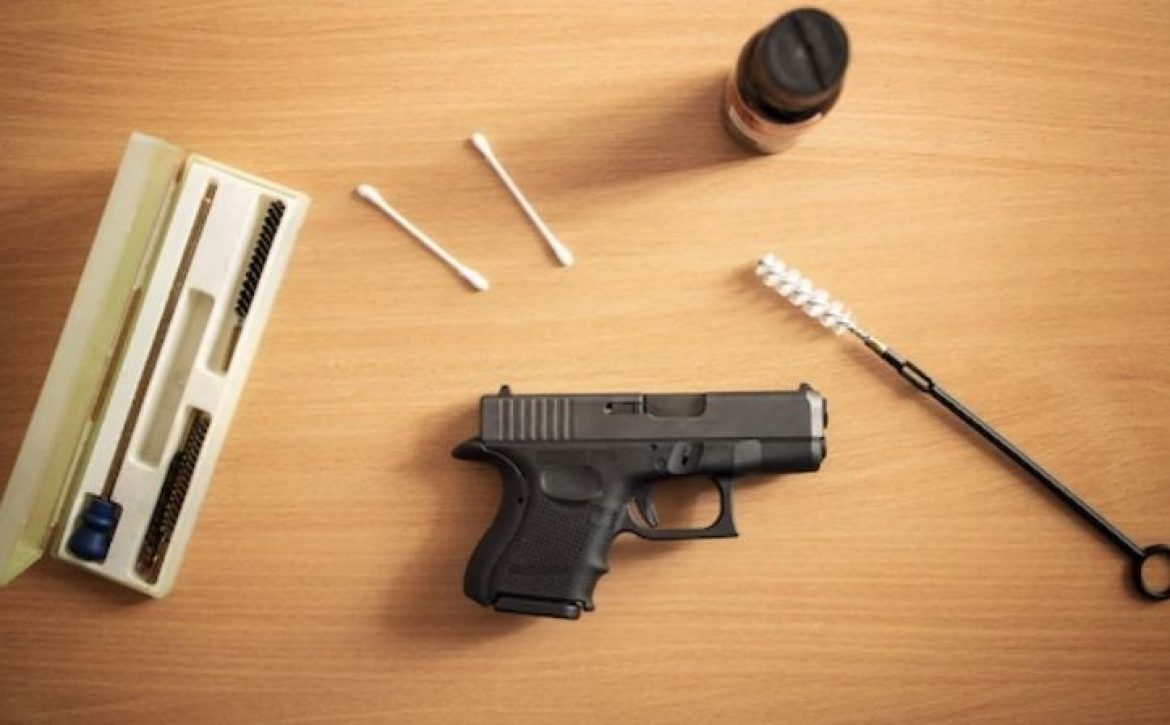
To use a gun cleaner, first, make sure that the gun is unloaded, and the safety is on. Then, point the cleaner’s nozzle towards the gun and spray it liberally. Be sure to get all of the nooks and crannies, such as the barrel, trigger, and magazine release.
Once you’ve sprayed the cleaner, let it sit for a few minutes to break down the dirt and debris. Finally, wipe off the cleaner with a clean cloth or brush. Repeat this process as necessary until the gun is clean.
Benefits of a Gun Cleaner
There are many benefits to using a gun cleaner, but here are some of them.
1- PREVENT MALFUNCTIONS AND JAMMING: If you don’t regularly clean your gun, it’s more likely to malfunction. A malfunction occurs when the gun doesn’t fire as intended or when there’s a failure to eject spent shells properly. Malfunctions can be hazardous, especially if you’re carrying your firearm for self-defense.
Jams are a specific type of malfunction that happens when something prevents the firing mechanism from cycling properly. The three most common types of jams are failure to fire, failure to eject, and double feeds. All of these problems can be traced back to dirty guns.
2- PROLONG THE LIFE OF YOUR GUN: With regular cleaning and maintenance, you can significantly extend the life of your firearm — in some cases, by decades. Proper care will keep your gun functioning at its best for many years to come while also preventing rust and corrosion that can cause irreversible damage.
3- REDUCE WEAR AND TEAR: If you don’t clean your gun, the moving parts will begin to grind against each other, which leads to increased wear and tear. Over time, this can cause serious damage that may require costly repairs or replacements. However, by regularly cleaning your gun and lubricating the moving parts, you can prevent this type of damage and keep your firearm in good condition.
4- IMPROVE ACCURACY: A clean gun is a more accurate gun. When fouling builds up in the barrel, it can affect the bullet’s trajectory. In addition, a dirty gun is more difficult to control due to increased friction in the moving parts. By keeping your gun clean, you can improve your accuracy and make it easier to hit your target.
5- ENSURE SMOOTH OPERATION: You’re also lubricating the moving parts when you clean your gun. This helps reduce friction and makes the gun easier to operate. If you don’t regularly clean your gun, the dirt and debris can cause increased friction, making it more difficult to cock the hammer, cycle the action, or pull the trigger.
Over time, this can lead to damage in wear and tear. Nonetheless, by keeping your gun clean, you can ensure smooth operation and avoid potential damage.
Cleaning your gun is an essential part of responsible firearm ownership. It keeps your firearm in good working order, but it also helps improve safety, accuracy, and overall performance. By following a regular cleaning schedule, you can keep your gun in top condition and ensure that it’s always ready to use when you need it.
What is a Gun Oil?
Gun oil is a lubricant used to protect guns from rust and corrosion. It is typically applied to the gun’s moving parts, such as the barrel, trigger, and magazine release. Gun oil can also help improve the accuracy of your shots and ensure smooth operation.
When to Use a Gun Oil?
Gun oils should be used after cleaning your gun with a cleaner. The oil will help protect clean metal surfaces from corrosion and wear. Gun oils are also a good choice for firearms that will be stored for an extended period, as they will help prevent rust and other damage.
How to Use a Gun Oil?
Use the following steps below when using gun oil:
Step 1: Disassemble the Gun
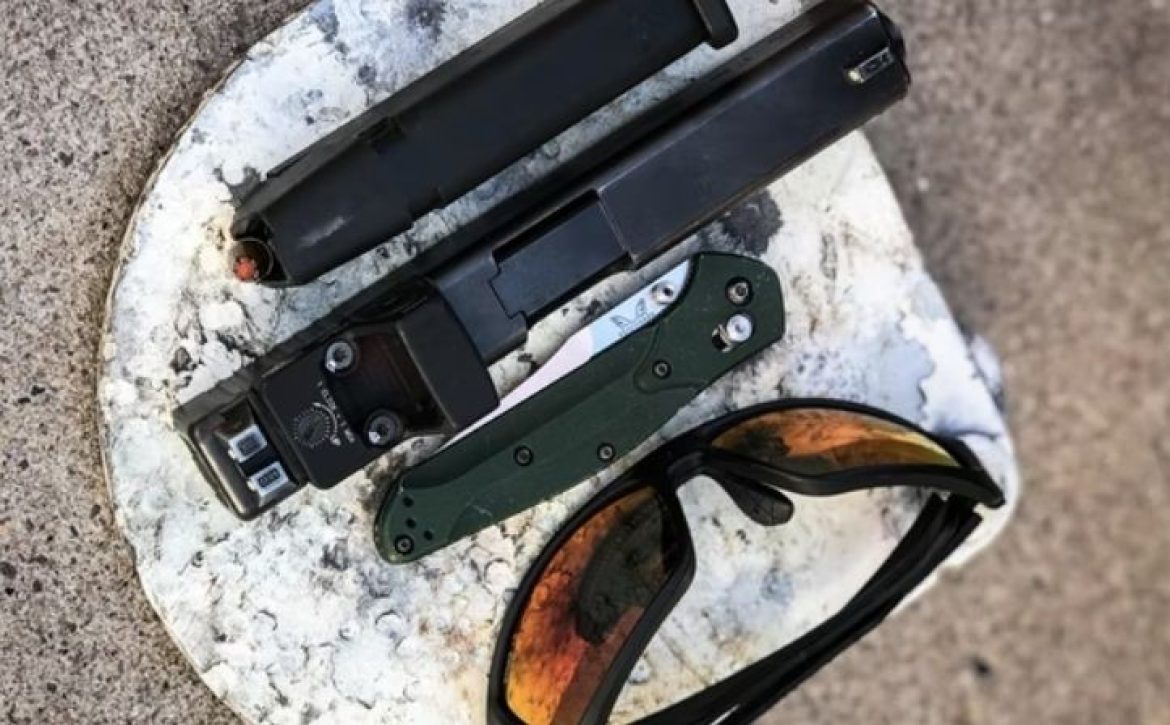
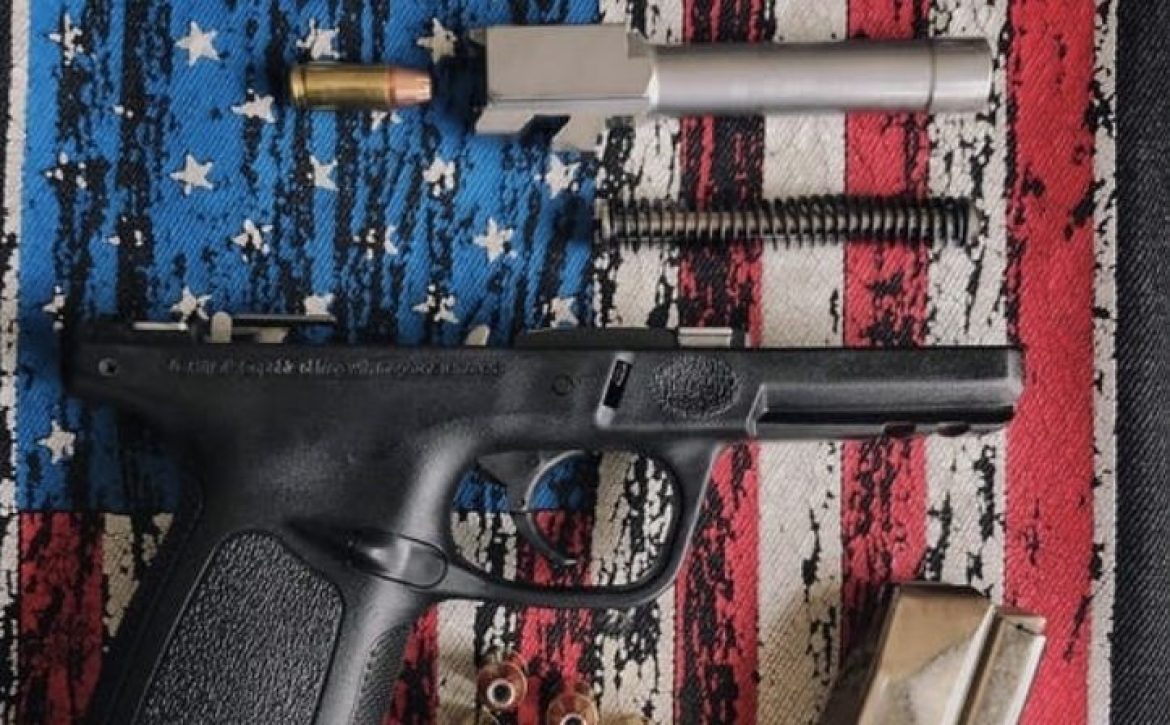
You’ll need to fully strip the gun per the manufacturer’s instructions for detailed maintenance. For pistols, remove the slide. For rifles, remove the bolt. For shotguns, remove the barrel and/or bolt.
Step 2: Apply Gun Oil to Metal Parts
Using a clean cloth or patch, apply a thin layer of oil to all metal surfaces of the gun parts you disassembled in Step 1. Be sure to get into all the nooks and crannies, but don’t use too much as it will attract dirt and debris. Wipe off any excess oil with a clean patch, including any oil that might have come in contact with the firearm’s grip.
Step 3: Assemble the Gun
Put the gun back together, following the manufacturer’s instructions.
**Please be advised that it is assumed safety checks and are completed prior to completing the above mentioned steps. This is for information purposes and thus Armory Den, Inc. will not be liable for any negligence, injury or any other negative consequence incurred by readers of these information based steps.
Benefits of Gun Oil
1- PREVENT RUST AND CORROSION: One of the most important benefits of gun oil is that it helps prevent rust and corrosion. Rust can damage your gun’s finish and, if left untreated, can eventually cause pits and holes in the metal. Nonetheless, by regularly lubricating your gun with gun oil, you can help protect it from these damaging elements.
2- MAINTAIN PROPER FUNCTIONING: Another important benefit of gun oil is that it helps maintain proper functioning. Over time, dirt and debris can build up in the moving parts of your gun, causing increased friction. This can eventually lead to damage or malfunction. By regularly lubricating your gun, you can help keep the moving parts clean and free of debris, which will prevent problems with its function.
3- IMPROVE ACCURACY: Gun oil can also help improve accuracy. When the moving parts of your gun are properly lubricated, they will move more smoothly, which can help improve the accuracy of your shots. In addition, a clean and well-lubricated gun is easier to control, which can also help improve your accuracy.
4- ENSURE SMOOTH OPERATION: Another benefit of gun oil is that it helps ensure smooth operation. If the moving parts of your gun are properly lubricated, they will move more smoothly and with less friction. This can help prevent problems such as jams and misfires. Plus, a smooth-operating gun is easier to control, which can also help improve safety.
5- INCREASE THE LIFE OF YOUR GUN: Finally, gun oil can help increase the life of your gun. By regularly lubricating your gun and keeping it clean, you can help prevent wear and tear on the moving parts. This can extend the life of your gun and keep it in good working condition for many years to come.
Gun Cleaner vs. Gun Oil: Which Should You Use?
The answer to this question depends on how often you shoot your gun and what kind of conditions you store it in.
If you shoot your gun frequently, then a gun cleaner is the best choice—this will help keep your gun clean and free of any buildup.
However, if you don’t shoot your gun often or store it in humid conditions, then gun oil is a more conservative choice as this will help protect your gun from rust and corrosion.
Nonetheless, it’s important to use gun oil and gun cleaner as part of your regular gun maintenance routine. Additionally, gun oil should be applied after cleaning to help protect the firearm and keep it operating smoothly.
And even if you don’t shoot your gun often, you must clean your gun properly with a quality gun cleaning solvent like Hoppe’s No. 9 Gun Bore Cleaner from Armory Den. This will ensure that your gun lasts for as long as possible and remains in perfect working condition.
Disclaimer: Cleaning recommendations shown in this article are for information purposes only. It is the responsibility of the firearm owner to take precautionary safety steps prior to utilizing this writeup as a resource. Armory Den | Armory Den, Inc. accepts NO liability related to injury, death or other negative consequences sustained due to negligence or any other user related faults.
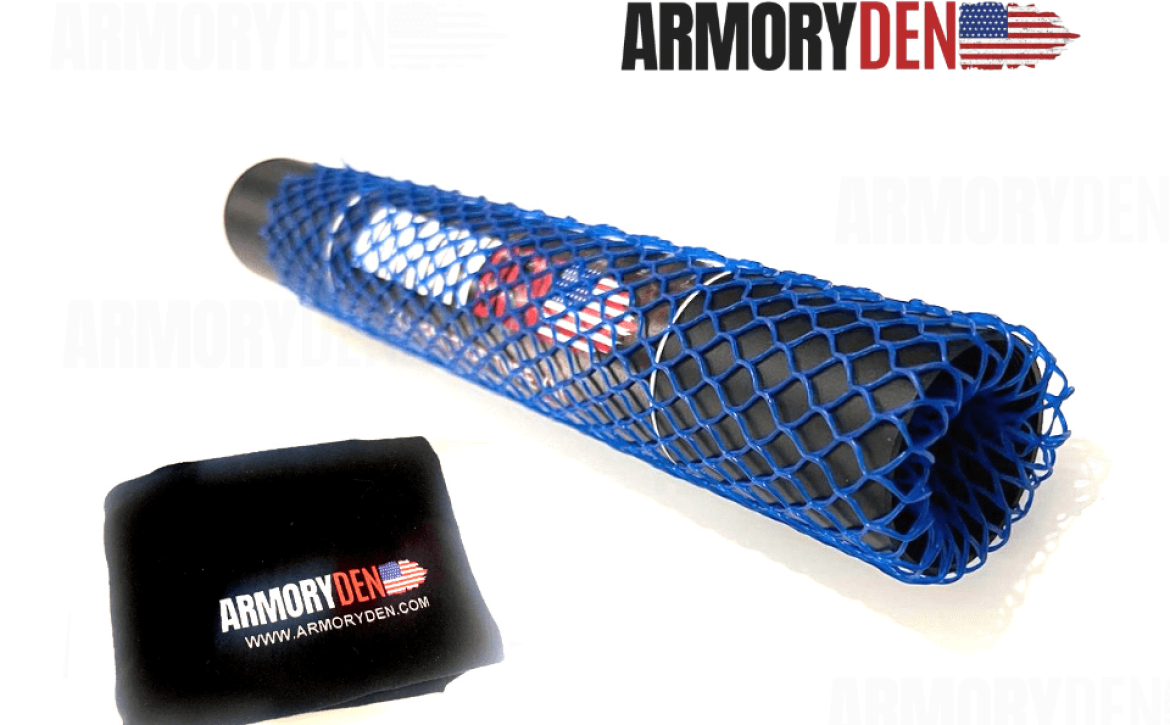
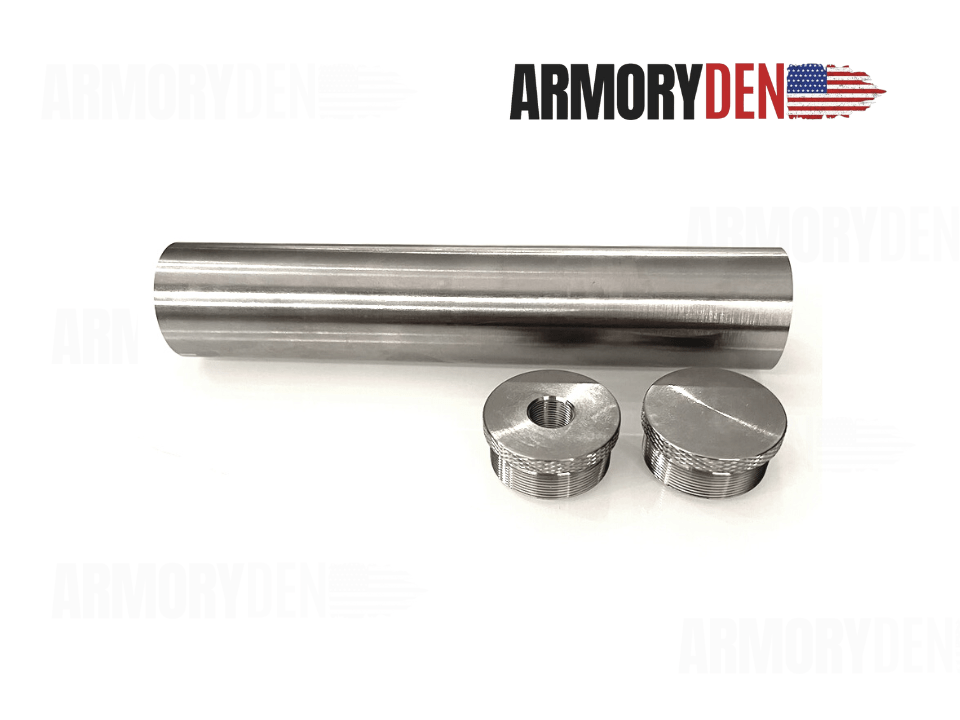
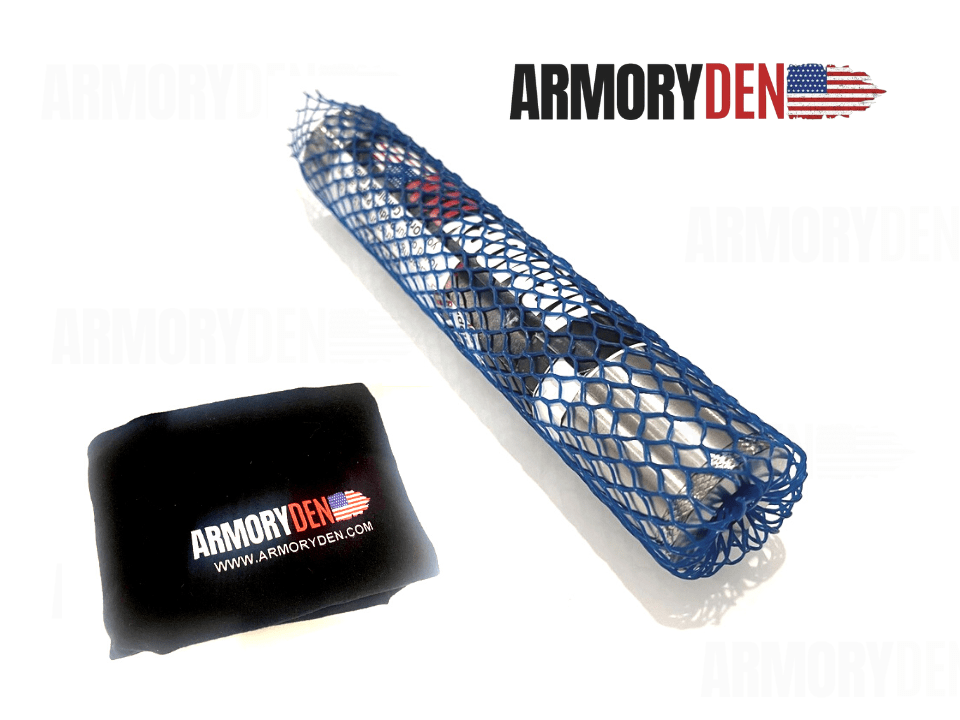

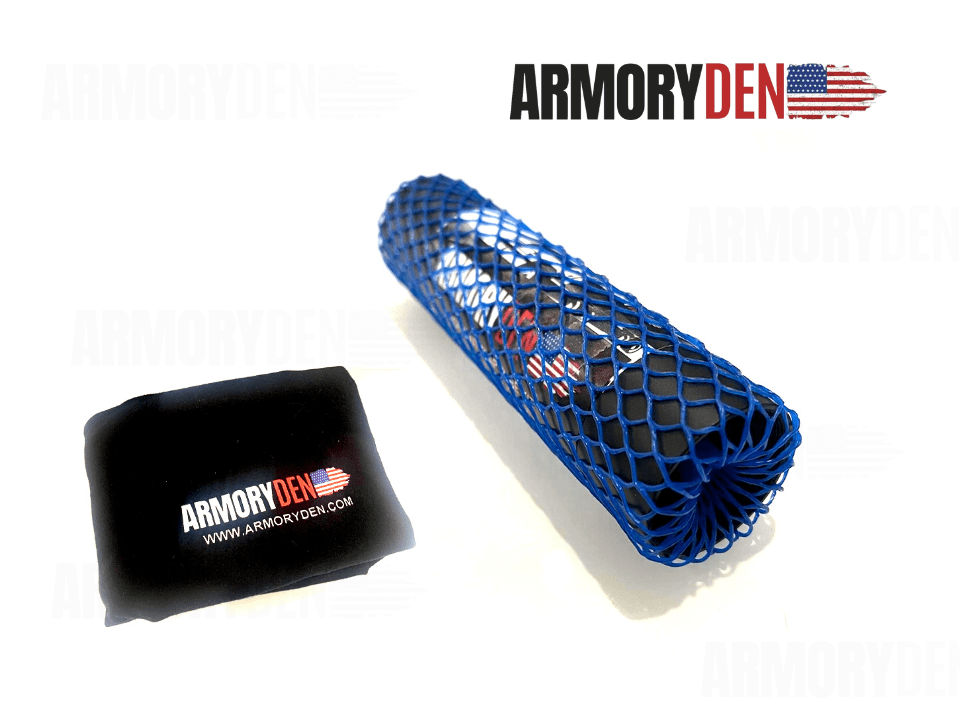
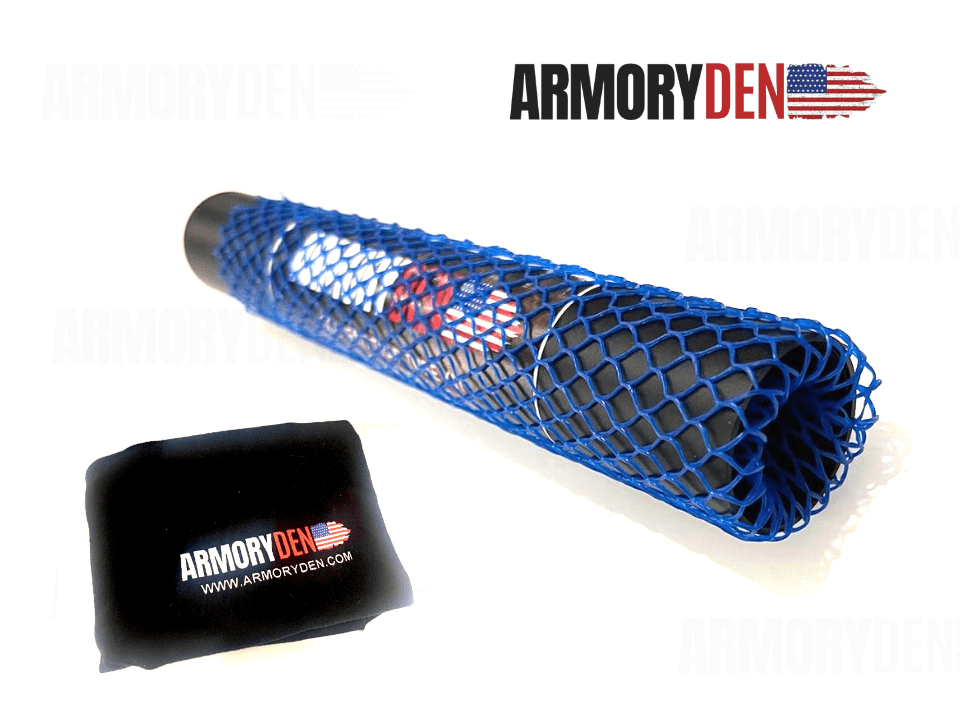 The solvent trap tube is a core component of Armory Den’s kits, designed to connect to a thread protector, which attaches to a firearm’s threaded muzzle during cleaning. The tube captures solvents and debris, reducing mess and protecting users from harmful chemicals in cleaning fluids. For storage, the tube can hold items like cleaning patches or essential items for camping trips and outdoor hikes like Micro LED’s, batteries, antiseptic tabs, and first aid supplies. Adding an extra end cap seals both ends, creating a watertight dry storage solution to protect contents from dirt or moisture, ensuring lawful use for preppers or outdoor enthusiasts.
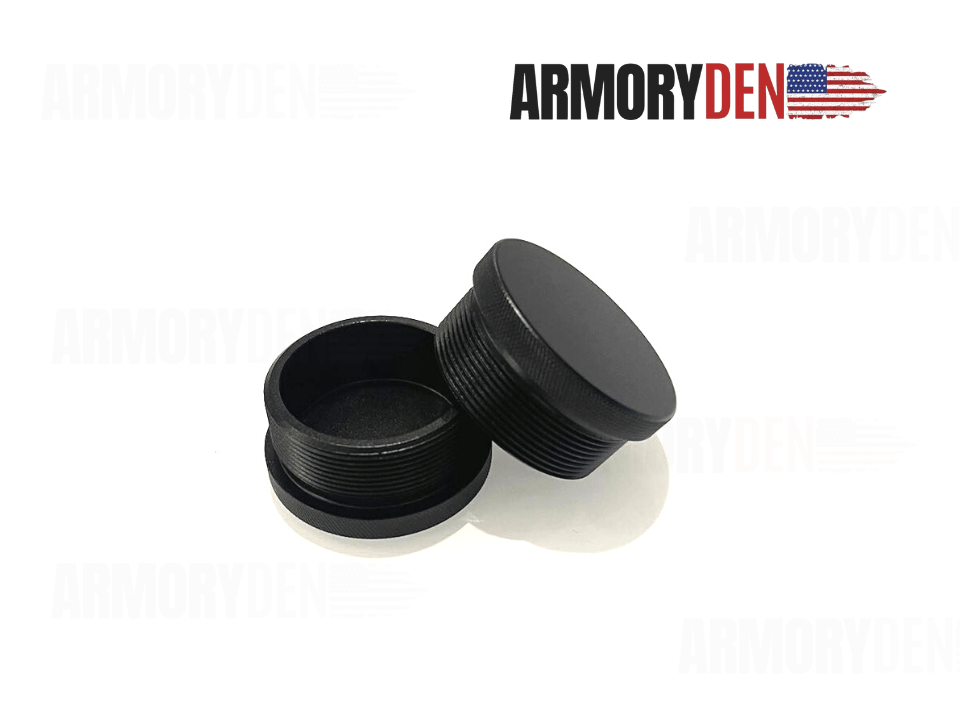 The End caps seals one end of the solvent trap tube during cleaning, containing solvents, oils, and debris to ensure safe, eco-friendly maintenance. An additional end cap can be used to seal both ends for dry storage, protecting stored items from moisture or dirt, ideal for prepping or outdoor travel. Made from durable materials like 7075 aluminum, stainless steel, or titanium, Armory Den’s end caps withstand repeated threading onto metal barrels, ensuring longevity. The 7075 aluminum option provides an affordable choice, supporting routine cleaning that improves firearm safety and performance.
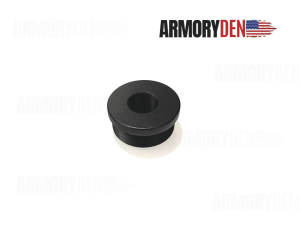 The thread protector secures the solvent trap tube to a firearm’s threaded muzzle during cleaning, available in sizes like 1/2×28 for 9mm, .22LR, or 5.56 NATO firearms, or 5/8×24 for .30 caliber models. Made from 7075 aluminum, stainless steel, or titanium to match the end cap, it ensures a durable, secure fit. For storage, the thread protector, tube, and end cap can be used together, with an extra end cap enabling a watertight seal for dry storage for essentials to keep dirt and moisture out. Armory Den’s thread protectors support safe, lawful cleaning and storage applications, as detailed in our product guides.