
Top 7 Bulletproof Vest Myths Debunked
Body armor plays a crucial role in personal protection, yet it’s surrounded by misinformation. Whether it’s unrealistic hopes or a faulty grasp of how scores function, falling for widespread fallacies happens frequently. At Armory Den, we believe clarity saves lives. Think you know everything about “bulletproof vests”? Think again. We’re about to bust seven common misunderstandings, helping you choose the perfect body armor with real confidence.
No body armor guarantees complete immunity. NIJ-rated armor is designed to reduce the likelihood of fatal injury from specific threats, not eliminate risk entirely. Even top rated bulletproof vests work within strict testing parameters.
Soft armor, such as NIJ Level IIIA, is built to stop most handgun rounds. However, it offers limited defense against rifle rounds or armor-piercing ammunition. For that, you’ll need hard armor rated at Level III or IV. But even with top-tier armor, energy transfer can cause blunt force injuries. No vest creates a force field.
Knowing the limitations of your gear is just as important as understanding its protective value.
This myth overlooks the importance of NIJ ratings. Each level corresponds to specific ballistic threats:
- Level IIIA: Designed to stop most handgun rounds, including .357 SIG and .44 Magnum.
- Level III: Stops 7.62x51mm NATO rifle rounds.
- Level IV: Engineered to resist .30 caliber armor-piercing rounds like M2 AP.
Selecting the best bulletproof vest depends on your potential threat environment. Choosing the wrong level can leave you dangerously underprotected.
Additionally, some manufacturers promote products as Level III+ to suggest protection against high-velocity rifle rounds like M855. However, this rating is not recognized by the NIJ and can vary in testing standards. At Armory Den, we prioritize NIJ-tested armor so that protection is never a guessing game.
This belief can lead to fatal consequences. Different rounds present different penetration threats. For example:
- A Level IIIA soft vest will not stop a 5.56 NATO round.
- A Level IV plate will handle most rifle threats but may not provide the flexibility needed for daily concealed use.
- Body armor isn’t one-size-fits-all. Threat level, weight, comfort, and mobility should all be considered when choosing your protective gear.
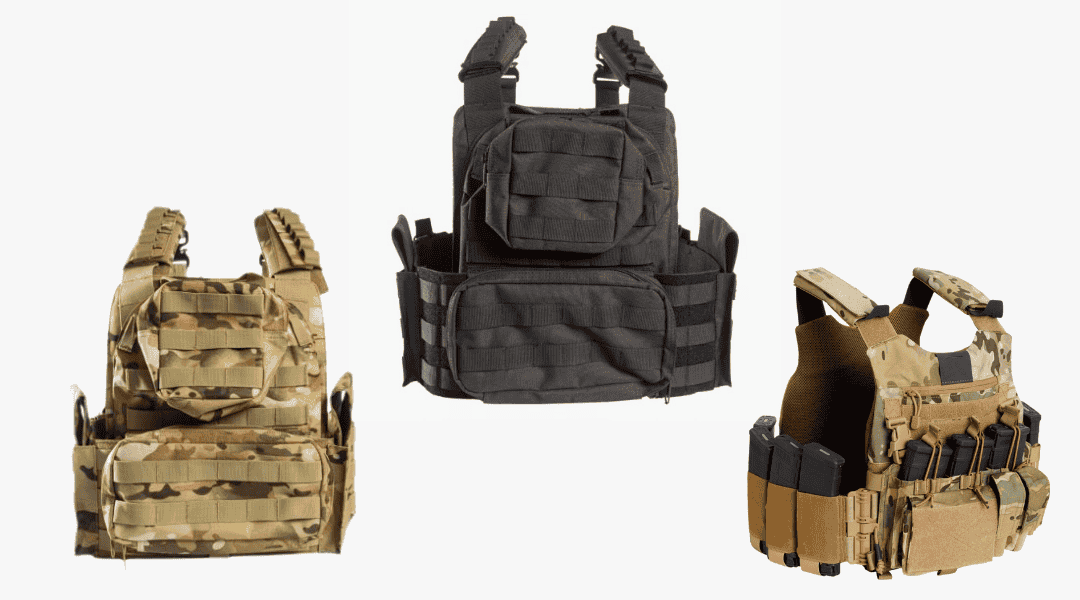
If you’re unsure which level is appropriate for your use, our team can guide you through the options listed under our plate carriers catalog.
All ballistic protection materials degrade over time. Exposure to sweat, UV light, moisture, and daily wear shortens a vest’s effective lifespan. Most soft body armor has a service life of five years, and hard plates, though more durable, should still be inspected regularly.
Signs that it’s time to replace your gear include:
- Visible wear or tears
- Misshapen panels
- Loss of manufacturer labeling or expiration date
Never assume an old vest still performs. If you rely on it for life safety, treat it as a perishable product. Armory Den recommends regular inspections and proper storage to maximize longevity.
Modern armor materials have come a long way. Ultra-high-molecular-weight polyethylene (UHMWPE) and advanced Kevlar weaves allow soft and hard armor to maintain NIJ protection levels without excessive bulk.
Our Level IIIA soft armor panels, for example, are built to be both lightweight and flexible. The idea that comfort equals compromise is outdated. With the right fit and cut, users can move freely while remaining well-protected.
Choosing the best bulletproof vest often means finding that balance between mobility and coverage. Today’s innovations make that balance achievable. Whether you’re on duty for extended shifts or wearing armor in warmer climates, breathable and ergonomic plate carrier systems reduce fatigue and improve operational readiness.
Comfortable armor isn’t just for private security or discreet users. Law enforcement professionals and first responders now rely on ergonomic, wearable armor that fits into daily duty without causing fatigue. Fit and panel placement are key to performance, and poorly fitting gear can compromise coverage regardless of its rating. That’s why choosing the right size, cut, and material based on your use case is essential. At Armory Den, we help customers identify the right solution for everyday protection that doesn’t weigh them down. Effective armor should protect you and allow you to move like it’s not even there.
Stab resistance and bullet resistance require different materials and engineering.
Soft body armor disperses the energy of a bullet by catching it in tightly woven fibers. However, edged weapons apply pressure differently, often slipping between those same fibers. That’s why:
A Level IIIA vest may stop a .44 Magnum but fail against an ice pick.
Stab-resistant armor includes specialized materials designed to resist puncture, not just absorb impact.
If stab protection is a priority, make sure your gear is certified for it. Bullet resistance does not automatically equal stab resistance.
Some body armor systems do offer dual-certified panels, but they are specifically labeled and tested for both ballistic and puncture threats. Always check product specifications and certifications when selecting armor. At Armory Den, we clearly identify the intended protection level for each model so you know exactly what you’re getting.
Some assume that wearing armor means obvious bulk under clothing. Not true. Advances in design have made many soft body armor options virtually invisible under everyday garments.
At Armory Den, we offer concealable armor with low-profile cuts and form-fitting panels. Materials like Kevlar and UHMWPE allow for thinner designs without sacrificing performance. Proper sizing and positioning matter more than thickness.
Today’s concealment vests are engineered to provide discreet protection without compromising comfort or mobility. Whether you’re a professional working undercover or a civilian seeking daily protection, there are options that blend seamlessly with business or casual attire. Concealed doesn’t mean compromised. You can blend in and stay protected at the same time.
Understanding these common myths helps you choose the right protection without falling for marketing hype or assuming unsafe shortcuts. Whether you need flexible Level IIIA soft panels for everyday wear or rifle-rated Level IV hard plates for tactical defense, selecting the right gear starts with clear information.
Explore Armory Den’s plate carriers and armor catalog to find top-rated bulletproof vests that match your specific protection level needs. We don’t just sell armor. We equip you with confidence.