
Real Risks of Wearing Inferior Body Armor
You might feel a false sense of security zipping up that budget-friendly body armor before heading into harm’s way. But skimping on quality can lead to dire consequences if your gear fails at the moment you need it most. Understanding the real risks of wearing inferior body armor is vital, from compromised safety in critical situations and subpar ballistic protection levels to issues with mobility, which could slow down your response time.
Even more, low-quality materials raise durability concerns while hidden costs lie behind enticing price tags. Despite maintenance challenges associated with cheaper vests, there’s no substitute for top-rated options that provide reliable protection when every second counts. This begs us to examine what happens when safety is compromised in those pivotal moments. Let’s take a closer look.
When you wear body armor, you’re putting your trust (and your life) in that gear. But inferior vests can fail in the moments that matter most. The Enhanced Combat Body Armor (ECBA), for example, was praised for its lightweight design, but over time, cracks developed that reduced its protective effectiveness.
The war in Ukraine revealed just how dangerous substandard protection can be. Soldiers relying on poorly manufactured gear faced serious risks because their armor couldn’t withstand the demands of real combat. Similarly, law enforcement officers once depended on Zylon fiber until it was discovered that humidity and heat rapidly degraded its performance, putting lives in danger.
Even rifle-rated ceramic plates, which should last five to ten years, can break down from environmental exposure if not properly cared for or routinely inspected according to Army guidelines. These vulnerabilities make it clear why investing in top rated bulletproof vests isn’t optional, it’s essential. At Armory Den, we prioritize safety with rigorously tested armor built to perform when it counts.
Understanding the protective capabilities of your body armor is crucial. It ensures you have the right level for potential threats.
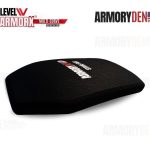
- Level NIJ IIA Protection Explained: This is considered the baseline protection offered by bulletproof vests. Designed to stop 9mm and .40 SandW ammunition, it represents a lightweight option suitable primarily for lower-risk situations.
- Ascending Threat Levels – NIJ II and IIIA: A step up in protection, Level NIJ II can halt 9mm full metal jacket rounds at higher velocities, as well as .357 Magnum fire. Meanwhile, Level IIIA protects against heavier calibers like .357 SIG, and the .44 Magnum is commonly used in more serious offenses.
- Highest Ballistic Standards – Levels NIJ III and IV: At these levels, armors cater to severe threat scenarios involving rifle ammunition, with Level III geared towards non-armored piercing rounds while NIJ IV withstands armor-piercing bullets; both are pivotal under high-stakes conditions where rifle use is prevalent or expected.
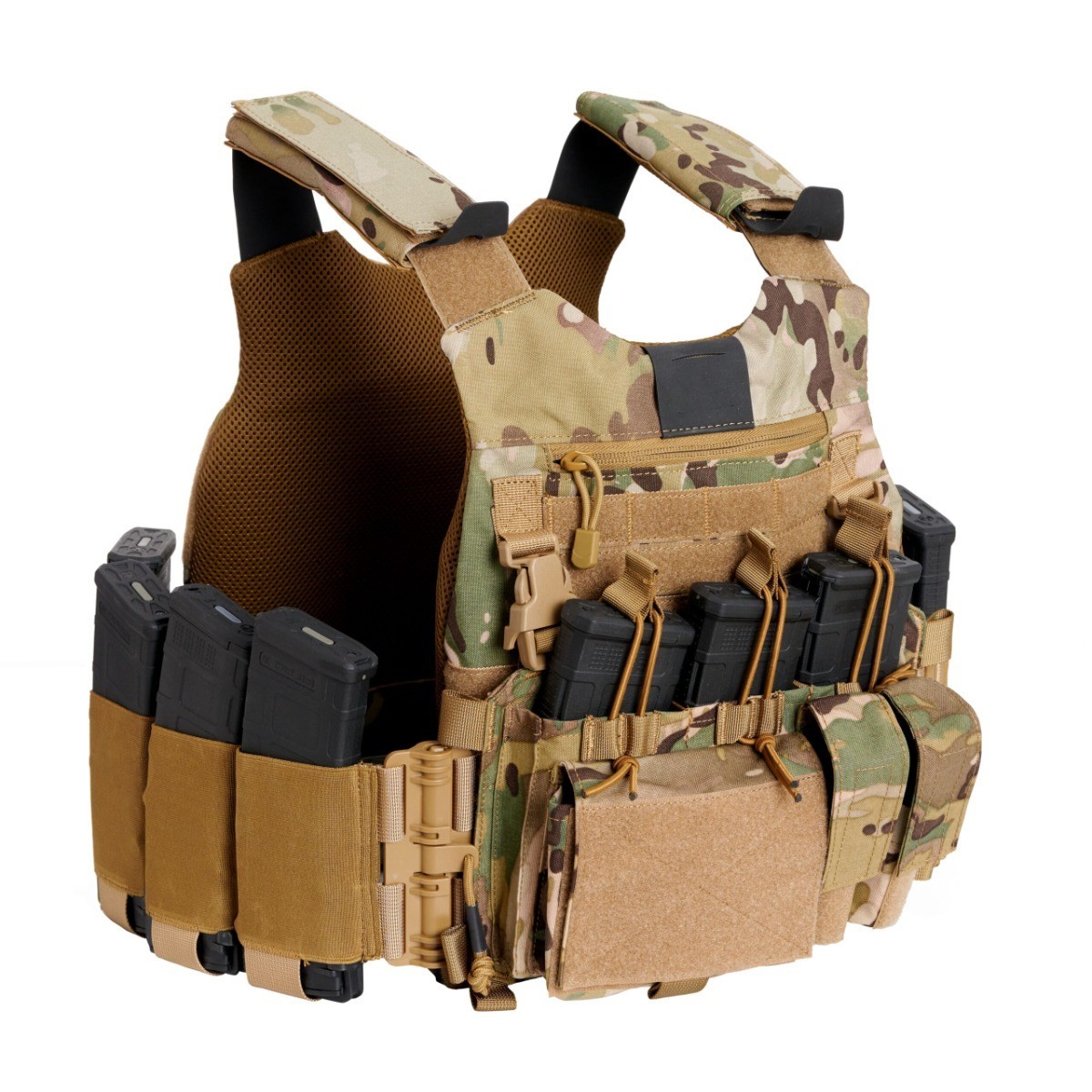
Wearing subpar body armor can significantly hinder mobility, which is crucial for law enforcement and military personnel. A study by the National Institute of Justice suggests that reduced range of motion due to bulky or poorly fitting vests can slow reaction times in high-stress scenarios. Reports from active-duty officials have quantified this delay, indicating response times may be compromised by as much as 5-7%.
Added weight also leads to quicker fatigue; a Department of Defense report noted an increase in exhaustion rates with every added pound on tactical gear. This not only decreases effectiveness over time but raises the risk during prolonged operations where agility is essential. We at Armory Den understand these risks emerge when quality is sacrificed for cost and always emphasize performance-ready gear that maintains wearer agility without compromising protection.
Take matters into your own hands; checking plate integrity at home is doable with simple methods like ‘Tap and Torque Tests’. Military protocol includes routine checks without unnecessary replacements based solely on age indications, if they pass tests. Your protocol should follow this unless used under strenuous conditions, where new regulations may demand timely replacement.
Remember that proper care equates reliability down the line; neglecting basic maintenance goes against its intended purpose, which is safeguarding lives.
When it comes to body armor, durability can’t be underplayed. Low-quality materials might save you money upfront, but they present real and significant dangers.
- Material Degradation: Armor made with subpar fabrics can deteriorate quickly. This means the protective fibers break down faster than expected, reducing the gear’s ability to stop ballistic threats over time. Heat and moisture only speed up this process.
- Wear and Tear Resistance: Inferior armor is less resistant to everyday wear. Frequent use demands resilient materials that keep their form and function. Weaker vests may show early signs of fraying or ripping at critical seams or joints.
- Longevity of Protection: The lifespan of a vest hinges on material quality. Higher-grade resources ensure your vest won’t fail before its warranty period expires, while low-end options could leave law enforcement personnel unprotected well ahead of standard replacement schedules due to unexpected degradation in protection capabilities.
When you opt for cheaper body armor, the hidden costs quickly add up. Inferior materials may lead to compromised protection against a variety of threats. For instance, some lower-end options won’t defend against Liberty Civil Defense 9mm or FN 5.7×28 ammunition as our Enhanced Multi-Threat™ Armor does.
Nor will they likely resist impact and maintain structural integrity like our FRAS® vests with proprietary AL203 ceramic elements that outperform traditional rifle plates in flexibility and multi-hit resilience. There’s also durability to consider; para-aramid fiber, such as Twaron®, used in Armory Den’s products ensures longevity by being abrasion-resistant and capable of handling extreme temperatures without degrading performance, a feature often absent in budget alternatives. The long-term reliability offered by high-quality armor means fewer replacements over time, saving money down the line, not just lives.
Maintaining body armor to the highest standards ensures your safety and investment. Subpar maintenance means risking both.
- Material Degradation: Low-quality vests may not withstand repeated wear or exposure to harsh conditions without deterioration. Fibers can break down, reducing the vest’s ballistic resistance over time. A top-rated bulletproof vest will resist such degradation far better, retaining integrity under stringent use.
- Reduced Lifespan: Inferior body armors have shorter effective service lives due to lower quality materials and construction practices used in their making. They require more frequent replacement when not cared for properly, leading to unexpected expenses compared with best-in-class options from Armory Den that offer a longer lifespan due to superior design and craftsmanship.
- Compromised Performance After Washing/Cleaning: Proper cleaning is crucial as it affects functionality; however, substandard vests might lose protective features upon incorrect or even correct washing techniques recommended by manufacturers, unlike our premium selections that are built with maintenance considerations at the top of mind, ensuring optimal performance through necessary upkeep routines.
In summary, wearing subpar body armor carries real and dire risks. From reduced protection against ballistic threats to comfort issues leading to distraction or fatigue, the stakes are high. You need reliable gear that holds up in critical moments.
Armory Den understands these challenges well; they provide top-notch equipment designed with your safety at heart. Choose wisely, your life may depend on it.