
Risks of Trusting Inadequate Armor
Choosing the right body armor is more than a matter of preference. The choice you make directly shapes how safe you are when danger strikes unexpectedly. At Armory Den, we make sure your protection never holds back your performance. Too many products flood the market these days, shouting big promises they simply can’t keep. This mismatch between what you expect and what you actually get can lead to real disappointment. Don’t gamble with your safety. Learn why bad armor fails and how you can pick the official, mission-ready protection that keeps you safe.
Many so-called top rated bulletproof vests are marketed with bold claims, but not all of them meet the rigorous standards set by the National Institute of Justice (NIJ). Relying solely on product descriptions or brand hype can leave wearers vulnerable.
Understanding what “NIJ Certified” really means is essential. Certification involves standardized testing under controlled conditions to assess how armor handles specific ballistic threats. If a vest hasn’t been NIJ tested, its protection claims may be unreliable or unverified. The danger lies in assuming you’re safe when the gear you’re wearing hasn’t been proven under real-world threat conditions.
Armor is not just a piece of equipment. It’s a layer of trust between you and the threats you may face. When that trust is built on inadequate materials or misleading specifications, it creates a false sense of security that could prove fatal.
Some products labeled as “bulletproof” may not protect against higher-caliber threats or even basic handgun rounds if they are not tested or maintained properly. Soft armor rated Level IIA may stop low-velocity rounds, but it will not hold up against rifle fire. In contrast, Level IV plates are designed to stop armor-piercing rounds. Knowing the distinction matters.
Choosing between soft and hard armor depends entirely on your intended use. Soft armor is more flexible and often used for concealed wear, while hard plates offer rifle-rated protection but add weight and bulk.
Fit is another critical factor. Even the best bulletproof vest fails if it does not sit correctly on the body. A vest that is too large may shift under stress, leaving vital organs exposed. A vest that is too small may not provide full coverage. Proper fit ensures that coverage areas align with vulnerable regions, such as the heart and lungs, without restricting movement.
Body armor does not last forever. Even the most reliable NIJ-certified armor has a shelf life. Most soft armor is rated for five years, but external conditions can reduce that lifespan.
Exposure to moisture, UV light, sweat, and improper storage can degrade the ballistic fibers inside soft panels. Hard plates may be more resistant to the elements, but they too should be inspected regularly for cracks, delamination, or edge separation. Armor should always be stored flat, out of direct sunlight, and never left in a vehicle for long periods, where temperature fluctuations can cause long-term damage.
There have been several high-profile failures related to inadequate armor. One of the most notable cases involved vests made with Zylon, a material that degraded much faster than anticipated. Despite initial lab success, real-world testing revealed significant failures. Officers who wore these vests unknowingly placed their lives at risk, leading to lawsuits and federal recalls.
The Department of Justice later mandated stronger oversight, but the lesson remains. If armor is not rigorously tested and reviewed, lives are at stake. At Armory Den, we only offer products that meet or exceed NIJ certification standards. Anything less is unacceptable.
Some manufacturers use vague or unofficial terms like “Level III+” to imply superior protection without meeting formal criteria. While Level III+ is commonly used in marketing, it is not recognized by the NIJ. Products bearing this label may or may not be capable of stopping high-velocity rifle rounds such as M855 green tip ammunition.
This marketing strategy can deceive buyers into assuming their vest is superior. In reality, only Level III and IV armor is formally tested against rifle threats. Always request the official NIJ certification number and verify the armor’s ballistic lab results when evaluating protection claims.
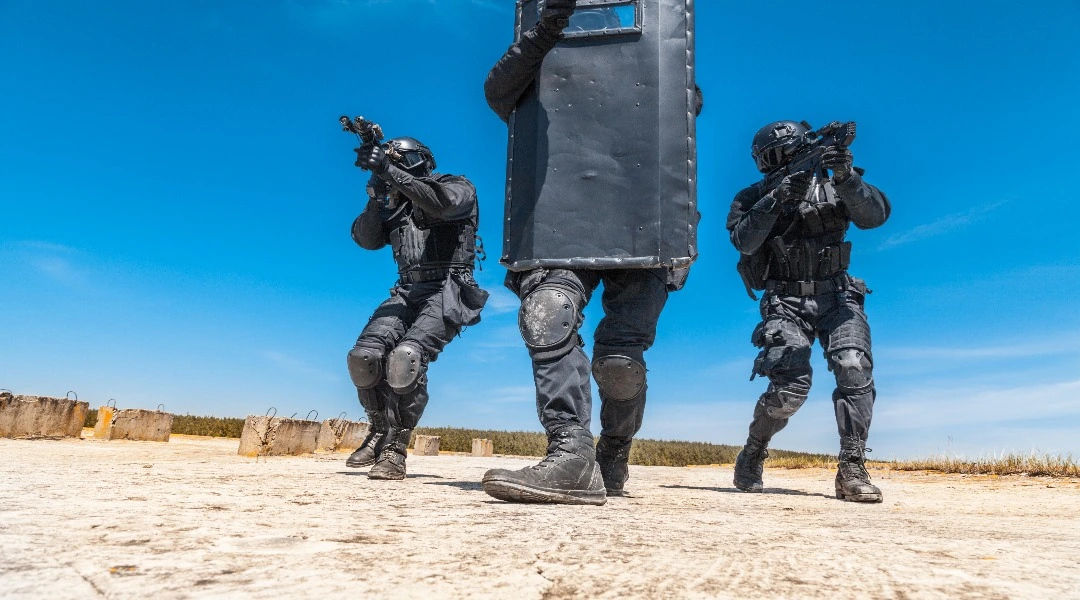
The consequences of compromised armor extend far beyond personal injury. In law enforcement, military, or private security environments, a single equipment failure can compromise entire missions. Teams rely on each other’s gear to function under pressure. If even one operator is outfitted with substandard armor, it places everyone at risk.
Furthermore, failure of body armor in the field can lead to internal investigations, lawsuits, or loss of trust in command leadership. Reputations, careers, and lives are tied to gear performance. The cost of inferior armor is never limited to the person wearing it.
Selecting reliable armor starts with defining your threat environment:
- If you’re a civilian looking for protection against common handgun rounds, consider soft armor rated at Level IIIA.
- If you’re in a tactical role or expect to face rifle threats, you will need hard armor rated at Level III or IV.
- Evaluate concealability needs, weight tolerance, and mobility before choosing.
- When evaluating options, look for the following:
- NIJ Certification clearly listed
- Manufacture and expiration dates
- Weight and thickness relative to level
- Construction materials (UHMWPE, ceramic, steel)
- Fit guides or sizing tools for accuracy
Avoid purchasing any armor that does not clearly list its testing level or lacks documentation from a certified ballistic lab.
The best bulletproof vest is one that provides certified protection, fits your needs, and delivers consistent performance without misleading claims. At Armory Den, we believe customers should have access to transparent specifications, certified testing data, and support in choosing the right fit.
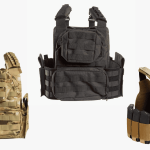
Whether you need discreet soft armor or mission-ready plate carriers, our catalog includes NIJ-tested options designed for real-world defense. You can explore them directly via our plate carrier and armor catalog and compare ratings, weights, and configurations.
Body armor is not an accessory. It is a lifeline. Trusting in untested or poorly manufactured armor is a risk you cannot afford. Marketing terms like “bulletproof” can create unrealistic expectations. What matters is how a vest performs under pressure.
Always ask the right questions. Always verify certification. Always buy from sources that prioritize testing and transparency. At Armory Den, we make it our mission to provide armor that stands up to scrutiny. Because when your safety is on the line, only verified protection will do.
Explore NIJ-certified armor plates and trusted plate carriers at Armory Den.