

What are the Differences Between Soft and Hard Body Armor Plates?
Your safety depends heavily on the threat against you and the body armor you choose. Both soft and hard armor serve essential functions in personal defense, but they do so in different ways depending on the threat level and use case.
Knowing the differences is really important if you’re choosing protection for security duties, occupational use, or for yourself. Let’s look at the key differences between soft and hard. Protective body armor plates. Comfort, weight, and how easy something is to maintain are important. But equally important are the materials and how well they protect you.
Soft body armor is crafted from advanced synthetic fibers engineered for strength, durability, and flexibility. Materials such as Kevlar® and UHMWPE (Ultra High Molecular Weight Polyethylene) are woven or laminated into panels designed to absorb and disperse the impact of handgun rounds. These flexible fabrics do not stop rifle fire, but they are ideal for protection against lower-velocity threats while maintaining comfort for long wear times.
For example, Armory Den’s AD Armlar Level IIIA Soft Body Armor Panels feature lightweight double-curved construction, offering extended coverage and freedom of movement for the user. These panels are engineered with premium-grade materials that meet NIJ Level IIIA standards, protecting against .357 SIG FMJ FN and .44 Magnum SJHP rounds. These panels are engineered with premium-grade materials and are tested to meet NIJ Level IIIA standards, offering protection against .357 SIG FMJ FN and .44 Magnum SJHP rounds.
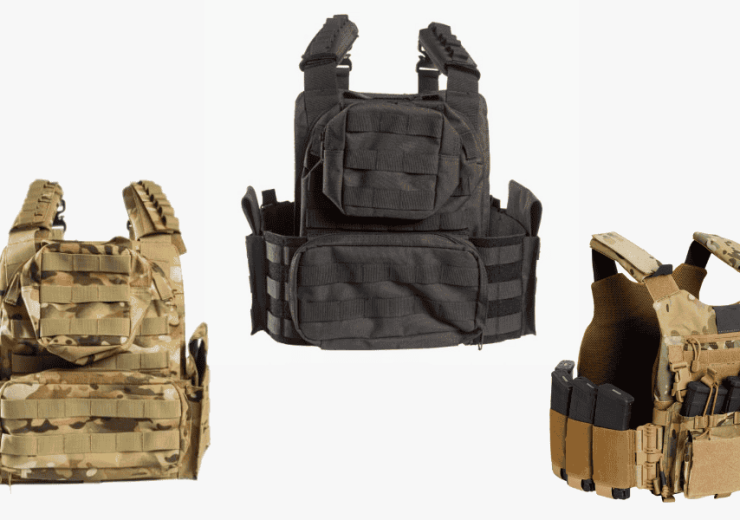
Hard body armor plates are rigid inserts designed to stop higher-caliber and higher-velocity rounds that soft armor cannot. These plates are typically made from ceramic, steel, or UHMWPE and are used in conjunction with plate carriers. They are often curved for better ergonomics and comfort.
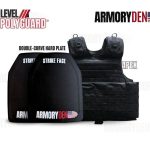
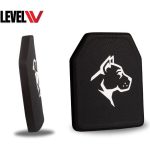
Armory Den’s exclusive AD ArmorX Level IV plates and AD Polyguard Level IIIA hard plates exemplify advanced protection with a lightweight design. Level IV hard plates, for instance, are tested to stop armor-piercing rounds such as the .30-06 M2 AP, making them suitable for high-risk environments.
In addition to protection, many of Armory Den’s hard armor options come with single or multi-curve profiles, enhancing fit and comfort without compromising safety.
Soft Body Armor typically comes in Level II or Level IIIA. These levels provide protection from common handgun threats. Level IIIA is the highest soft armor rating available, stopping .357 SIG and .44 Magnum rounds.
Hard Body Armor Plates come in Level III and Level IV, designed to stop rifle rounds. Level III is rated for 7.62mm FMJ (M80), while Level IV offers protection from .30-06 M2 AP armor-piercing rounds.
Armory Den currently offers:
- AD Polyguard Level IIIA Hard Plates
- AD ArmorX Level IV Hard Plates
- Guard Dog Level III and Level IV options
These options are designed for users seeking high-performance body armor in elevated threat scenarios.
Soft armor is significantly more flexible, making it suitable for situations where mobility and discretion are priorities. Law enforcement officers, security personnel, or civilians who need lightweight armor for everyday use may benefit from the low-profile design of soft panels.
Hard plates, while more protective, are bulkier and may reduce flexibility. However, Armory Den’s lightweight UHMWPE plates help bridge this gap, providing high protection without excessively sacrificing comfort.
When choosing body armor, weight is a crucial factor affecting comfort and agility. You’ll find notable differences between the lighter soft plates and the heavier hard plates.
- Weight Classification: Soft armor panels are renowned for their lightweight properties due to high-strength fibers like Kevlar. They provide considerable protection while ensuring wearer mobility for routine tasks or undercover missions. Continuous wear becomes less burdensome with these lighter vests, contributing to prolonged endurance in various operational environments.
- Impact on Comfort: The featherweight nature of soft armor results in superior everyday comfort compared to its counterpart. Extended periods of use do not lead to significant discomfort or fatigue, making it an appealing option for those needing continuous protection without feeling weighed down by cumbersome gear during demanding activities.
- Tactical Considerations: Heavy-duty hard armors offer more rigid defense but add extra pounds that can influence tactical movement speed and flexibility, factors vital in emergency scenarios requiring rapid response actions such as navigating complex terrains or executing swift maneuvers against potential threats where every second counts.
Soft Armor: Best suited for low- to medium-threat environments, such as law enforcement patrol, VIP protection, or personal everyday carry. Flexible and concealable, soft panels fit inside regular vests or jackets.
Hard Armor: Designed for tactical use, military combat, and high-risk security roles. Hard plates are essential for protection against rifle threats and provide extended durability in field operations.
Armory Den supports both segments with well-engineered solutions:
- AD Armlar Level IIIA Soft Panels for concealed and everyday protection
- AD ArmorX Level IV Plates for maximum resistance in high-threat encounters
Caring for your body armor is critical to ensure it performs when needed. Soft armor should be inspected frequently for creases, tears, and dampness that can degrade fibers. Hand wash panels with a mild soap and hang them away from direct sunlight and heat sources, which may weaken ballistic resistance over time.
Hard plates require less maintenance, but don’t neglect them. Wipe steel or ceramic clean without harsh chemicals that could corrode materials or compromise structural integrity. For polyethylene hard plates, avoid prolonged exposure to high temperatures as they’re susceptible to warping; store flat in a climate-controlled environment.
Both armor types need careful handling: never drop heavy objects on them, nor situate them where sharp items might puncture their surfaces.
Soft body armor is lightweight and flexible, often used by law enforcement for everyday wear. It helps absorb the impact from small firearms. On the other hand, hard body armor plates are heavier but provide higher protection levels against rifle rounds.
Armory Den offers a range of both to fit various duty needs or personal safety scenarios with state-of-the-art materials engineered for durability while maintaining a focus on user comfort. Remember to consider your specific threat level when choosing between soft and hard armor solutions for optimal safety on the job or in any potentially dangerous situation.
Disclaimer: This content is for informational purposes only and does not constitute professional safety, tactical, or legal advice. Product capabilities may vary. Always consult state and local laws before purchasing or wearing body armor.