
Ceramic vs. Steel Body Armor: Which Offers Better Protection?
Choosing the right body armor—ceramic or steel—is a critical decision when it comes to personal or professional safety. Ceramic plates are lighter but still very effective, while steel plates are tougher and might cost less. Weight trade-offs, protection levels, cost factors—these all play into making an informed decision on what will serve you best in the line of duty or personal defense.
Durability is at the forefront when considering safety gear; let’s dive into how ceramic armor holds up against its metallic counterpart.
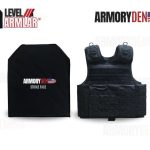
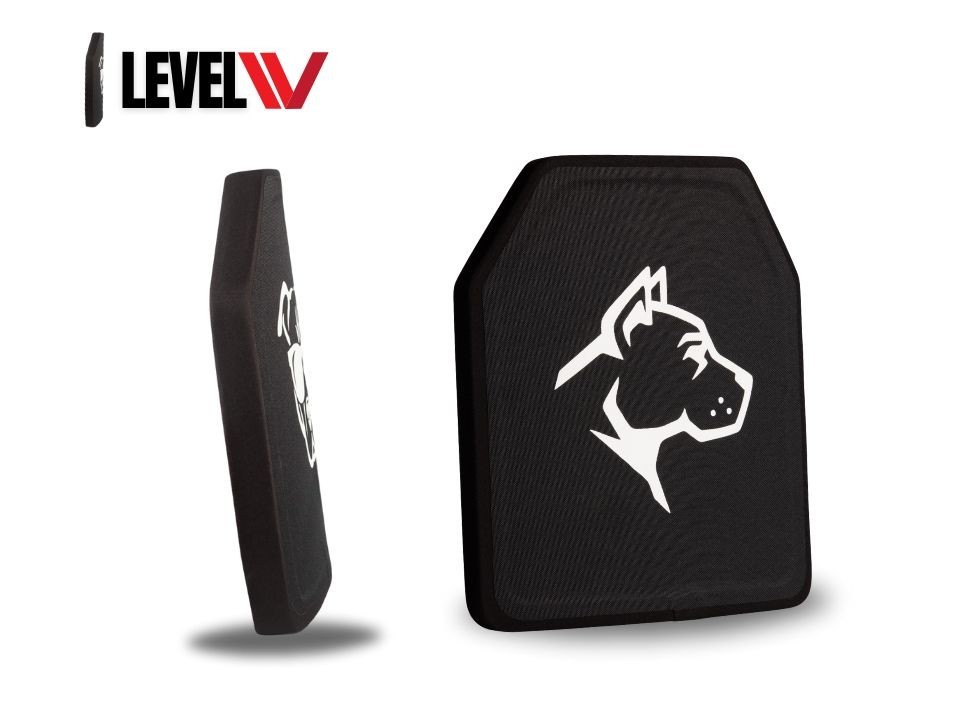
Ceramic body armor stands out for being remarkably lightweight, which is essential for staying agile and reducing fatigue. It offers superior ballistic protection against high-velocity rounds like those from rifles. Essential when facing serious threats.
Ceramic armor can often withstand multiple impacts, though performance may vary depending on shot placement and force. Despite these advantages, ceramic plates are prone to cracks or shattering caused by hard impact or blunt force and tend to cost more than steel options. Looking ahead at safety gear?
Ceramic body armor may offer a strong balance between comfort and protection in many scenarios.
As the debate between ceramic and steel body armor continues, it’s crucial to comprehend their distinct attributes. Steel offers sturdy protection at a value price point, while ceramic provides lightweight comfort with advanced ballistic defense.
- Weight Considerations: When you compare weight, steel plates are heavier than ceramic options. You might find this factor significantly affects your mobility during prolonged use—something especially vital for law enforcement or military applications where agility is often as critical as the protection itself. On balance, civilians, where legally permitted to purchase and wear body armor, may prioritize durability over lightness if used less frequently.
- Ballistic Resistance: Ceramic plates excel in high-velocity round resistance due to their ability to disperse impact energy more effectively compared to steel alternatives that tend toward deflecting projectiles instead of absorbing them outrightly thus offering slightly lesser ballistic resistance against certain threats—a potential trade-off considering one’s risk assessment decisions based on personal or professional requirements.
- Cost Implications: In terms of investment, opting for steel could be seen as budget-friendly upfront; however assessing long-term costs should include replacement frequency given ceramics’ susceptibility towards degradation over time from environmental exposure—whereas steels’ inherent rugged nature tends towards an extended lifecycle despite repeated punishment from multiple hits making it potentially economical down line depending on usage intensity.
When you compare ceramic and steel body armor, it’s clear that each has its specific benefits. Ceramic plates excel in defending against high-velocity rounds, such as those from sniper rifles or armor-piercing ammo. They’re lighter too, which can help reduce fatigue during long-term use.
While they offer excellent protection initially, once a ceramic plate is compromised by an impact, even if the bullet doesn’t penetrate, you’re likely to need a replacement. Steel options are known for their durability and ability to withstand multiple impacts, depending on conditions and use; this makes them reliable over time and cost-effective for many users. However, remember that these plates are heavier and might slow you down compared to their ceramic counterparts.
Plus, without proper care, exposure to moisture can lead to vulnerable rusting issues, which will degrade their protective abilities. Ultimately, choosing between ceramic and steel body armor should be based on your specific threat environment, degree of security, intended defensive use, and compliance with legal regulations.
Making the right choice in body armor is critical for your safety. Here’s a focused comparison of weight differences between ceramic and steel options:
- Weight Impact: Ceramic plates generally offer weight savings over steel, contributing to increased comfort in many scenarios and being about 37% lighter than their steel counterparts. This reduction benefits agility and endurance, leading to less fatigue during extended wear. Lightweight gear also contributes to better mobility, which can be crucial in tactical situations where rapid movement is key.
- Longevity versus Field Performance: While ceramic armor typically lasts five to seven years without taking fire, its resilience under repeated attacks falls short compared to steel. Once hit at close range or precisely targeted multiple times, ceramics are more prone to severe damage, rendering them ineffective beyond the initial impact zone.
- Contextual Suitability: The suitability of ceramic over other materials heavily depends on anticipated threat scenarios—it excels in light combat environments but falters when faced with heavy or precision gunfire, unlike robust alternatives like polyethylene (PE) body armor that withstands repeated rounds while being incredibly lightweight.
When choosing between ceramic and steel body armor, you need to weigh factors like weight, protection levels, durability, cost, and your specific needs. Ceramic plates offer top-notch defense against high-velocity rounds due to their ability to disperse a bullet’s energy upon impact. They’re ideal for scenarios demanding speedy movement or long-term wear because they’re lighter than steel options.
While having the edge in stopping power for more formidable ammunition types like armor-piercing rounds, be aware that ceramic may become compromised after an impact, even if penetration doesn’t occur. On the other hand, if extended engagements are expected or budget constraints exist, always look for armor that has been tested to recognized standards, such as NIJ Level III or IV, and consult professionals to ensure it’s appropriate for your needs. Steel may be your go-to choice despite its heftier nature.
It excels in withstanding multiple hits and proves less costly upfront while providing reliable security from standard rifle threats, though potentially lacking against more severe ones unless designed specifically to be thicker. In essence, choose ceramic for maximum mobility plus higher-level threat coverage; opt for steel where frequent impacts over time align with financial limits.
In your quest for the ideal body armor, cost is a considerable factor. Balancing expenses with protection levels and longevity requires thoughtful decision-making.
- Steel body armor is praised for its toughness. High-quality steel withstands multiple impacts without losing its protective properties. This durability is typically available at a lower cost than ceramic, though pricing can vary by brand and certification.
- Ceramic plates offer lightweight comfort but demand careful handling. Their susceptibility to damage from strong forces means potential additional replacement costs, which could increase over time, despite their initial higher price tag.
- Long-term value should guide your choice between steel and ceramic materials. While ceramics may seem pricier upfront, reduced fatigue can mean better performance in the field, possibly offsetting those early extra dollars spent on gear acquisition.
Steel body armor provides solid protection with potential drawbacks. It’s heavy, may create spall without proper coating, and can strain mobility. On the flip side, ceramic body armor is often lighter and is designed to absorb impact by fracturing, dispersing the force across the plate, thus distributing force better than steel.
However, it’s prone to damage from drops or repeated hits in the same spot. Both have merits based on the situation’s needs.
If you seek lightweight defense against higher velocity rounds, consider ceramic; for a durable option that withstands multiple hits, opt for steel at Armory Den.